
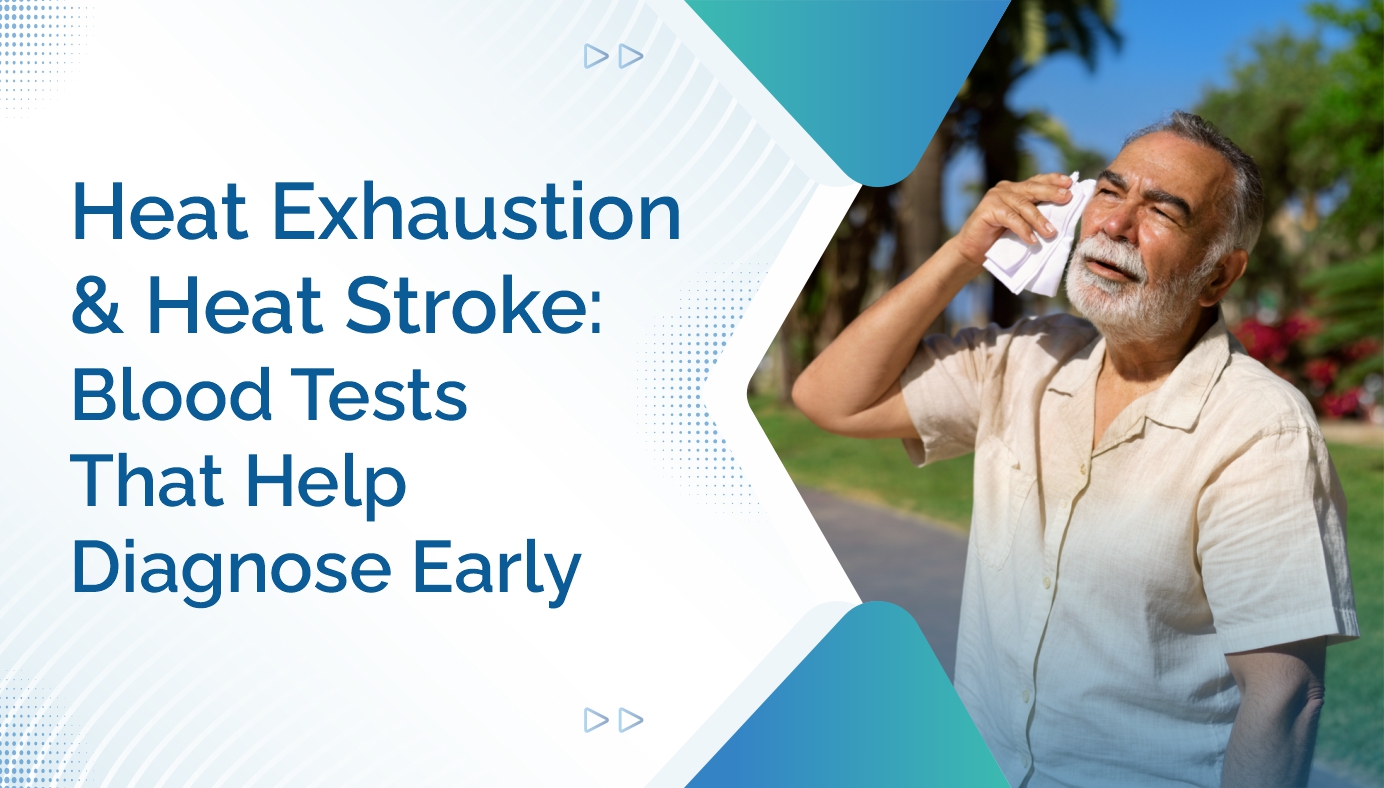


Summer brings longer days, outdoor activities, and intense heat. While enjoying the sunshine is refreshing, excessive exposure to high temperatures can put the body at risk of serious heat-related illnesses. Two of the most common and dangerous conditions caused by extreme heat are heat exhaustion and heat stroke. If not recognized and treated early, these conditions can lead to severe complications and even become life-threatening.
Early diagnosis is crucial, and blood tests play an important role in identifying internal changes in the body caused by heat stress. These tests help doctors detect dehydration, electrolyte imbalance, organ stress, and inflammation before the condition worsens.
Heat Exhaustion vs. Heat Stroke: What's the Difference?
Both heat exhaustion and heat stroke occur when the body struggles to regulate its internal temperature. However, they differ significantly in severity.
Heat exhaustion is the milder of the two. It occurs when the body loses large amounts of water and salt through excessive sweating. Common symptoms include:
Heat stroke is a medical emergency. It occurs when the core body temperature rises above 104°F (40°C) and the body's cooling mechanisms fail. Symptoms include:
Without prompt medical intervention, heat stroke can cause severe damage to the brain, kidneys, heart, and muscles. This is why rapid diagnosis supported by targeted blood tests is critical.
Why Blood Tests Matter in Heat-Related Illness
Visual assessments and symptom checks alone are not sufficient to evaluate the full impact of heat stress on the body. Blood tests provide objective, quantifiable data on how vital organs are functioning and whether dangerous imbalances are present.
By the time clinical symptoms of heat stroke become apparent, internal damage may already be underway. Early blood testing allows clinicians to:
Early intervention, informed by diagnostic results, significantly improves the chances of a full recovery.
Key Blood Tests for Heat Exhaustion and Heat Stroke
Complete Blood Count (CBC)
A Complete Blood Count measures red blood cells, white blood cells, and platelets. In heat-related illness, CBC results can reveal:
Serum Electrolytes
Electrolytes such as sodium, potassium, and chloride are critical for nerve and muscle function. Extreme heat causes the body to lose these minerals rapidly through sweat. Blood tests for electrolytes can detect:
Correcting electrolyte imbalances is one of the first priorities in treating heat-related illness.
Kidney Function Tests (Renal Panel)
The kidneys are particularly vulnerable during heat stroke. As blood flow shifts away from the kidneys to cool the body, kidney function can deteriorate. A renal panel typically measures:
Acute kidney injury is a known complication of heat stroke and must be monitored closely.
Liver Function Tests (LFT)
The liver is also susceptible to heat-induced injury. Elevated body temperatures can cause hepatocellular damage injury to liver cells. Liver function tests measure enzymes such as:
Significant elevations in these markers can indicate hepatic stress or injury, which is commonly observed in cases of severe, prolonged heat stroke.
Creatine Kinase (CK)
Creatine Kinase is an enzyme released when muscle tissue is damaged. In heat-related illness, particularly heat stroke, the muscles can break down rapidly a condition known as rhabdomyolysis. Markedly elevated CK levels confirm this diagnosis.
Rhabdomyolysis is dangerous because the byproducts of muscle breakdown, particularly myoglobin, can block kidney tubules and cause acute renal failure. Early CK testing helps identify this risk before it progresses.
Coagulation Profile (PT, aPTT, INR)
Severe heat stroke can disrupt the body's clotting mechanisms. Coagulation tests measure how well the blood clots:
These tests are essential when DIC is suspected, as this condition causes simultaneous excessive clotting and bleeding throughout the body.
Blood Glucose (Serum Glucose)
Heat stroke can disrupt glucose metabolism, leading to hypoglycemia (low blood sugar). In children and elderly patients especially, blood glucose levels must be monitored carefully. Low glucose levels can contribute to altered consciousness and seizures.
Arterial Blood Gas (ABG)
An Arterial Blood Gas test measures oxygen, carbon dioxide, and pH levels in the blood. In heat stroke, metabolic acidosis (a drop in blood pH) is a common finding, reflecting tissue hypoxia and lactic acid buildup due to impaired circulation.
ABG analysis helps clinicians assess the severity of physiological disruption and determine appropriate respiratory and metabolic support.
Who Should Get Tested?
Anyone presenting with the following should seek immediate medical attention and blood testing:
People at higher risk for heat-related illness including the elderly, young children, outdoor workers, athletes, and those with chronic conditions should be especially vigilant during peak heat periods.
The Role of Timely Diagnostics
Speed matters. The longer heat stroke goes untreated, the greater the risk of multi-organ damage. Blood tests ordered on presentation can provide a clinical baseline, allowing healthcare providers to monitor progression and adjust treatment in real time.
Comprehensive diagnostic panels, performed by certified laboratory professionals using state-of-the-art equipment, ensure accurate and timely results. Access to reliable diagnostics means faster clinical decisions and better outcomes for patients.
Conclusion
Heat exhaustion and heat stroke are serious conditions that require prompt attention. While symptoms such as dizziness, fatigue, and nausea may seem mild at first, they can signal deeper internal changes caused by heat stress.
Blood tests such as CBC, electrolyte panel, kidney and liver function tests, creatine kinase, and CRP provide valuable insights into how the body is coping with extreme heat. These tests help doctors detect dehydration, electrolyte imbalance, muscle damage, and organ stress early.

Food-related reactions are often lumped together under a single umbrella, but food...
17-09-2026

For decades, cholesterol testing has been the cornerstone of cardiovascular risk...
17-09-2026

Chronic fatigue syndrome (chronic fatigue syndrome), also known as myalgic encephalomyelitis...
17-09-2026
Book lab tests, access reports instantly, and get seamless home sample collection with advanced technology.
Trusted by millions, Ampath Labs ensures accurate diagnostics, convenience, and care at your fingertips.




 Select Location



 Get 15% OFF on 1st order above ₹100 Use code:



































































.jpg)