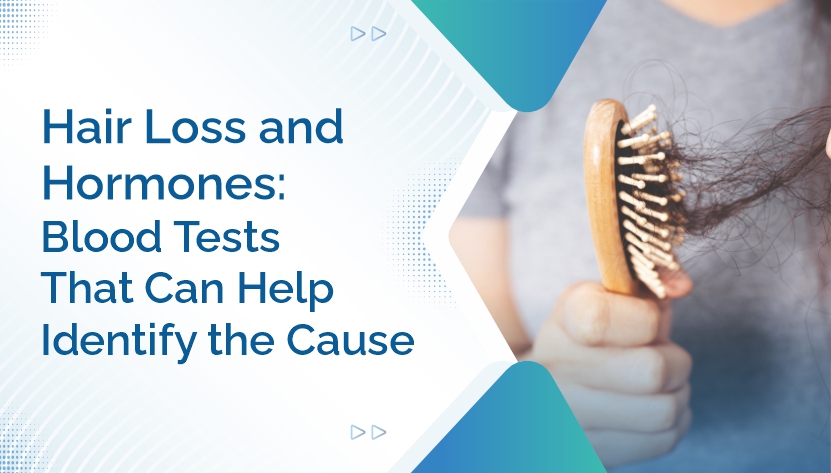


Losing more hair than usual can be unsettling. Whether you're noticing extra strands on your pillow, thinning patches at the crown, or a widening part, the experience often raises an immediate question: why is this happening?
The answer, more often than not, lies in your hormones. Hormonal imbalances are among the most common and treatable causes of hair loss in both men and women. The good news is that a targeted panel of blood tests can provide clear, actionable answers eliminating the guesswork and pointing you toward the right treatment path.
How Hormones Affect Hair Growth
Hair follicles are highly sensitive to hormonal changes. Your hair grows in cycles an active growth phase (anagen), a transitional phase (catagen), and a resting phase (telogen) and hormones regulate how long each phase lasts.
When hormone levels shift, these cycles can be disrupted. Follicles may spend less time in the growth phase, produce thinner strands, or stop growing altogether. The type of hair loss you experience often reflects which hormone is out of balance, making blood testing a precise and practical diagnostic tool.
Common Hormonal Causes of Hair Loss
Several hormonal conditions are known to trigger or accelerate hair loss:
Blood Tests That Can Help Diagnose Hormonal Hair Loss
A healthcare provider will typically recommend a targeted blood panel based on your symptoms, age, and medical history. The following tests are most commonly used:
Thyroid Function Tests (TSH, T3, T4)
Thyroid-stimulating hormone (TSH) is the primary marker used to assess thyroid function. If TSH levels are abnormal, free T3 and free T4 tests provide further detail. Since both hypothyroidism and hyperthyroidism cause hair thinning, thyroid testing is often the first step in any hormonal hair loss investigation.
Total and Free Testosterone
Measuring both total testosterone and free testosterone helps identify androgen excess, a key driver of pattern hair loss. In women, elevated testosterone is often associated with PCOS, adrenal disorders, or ovarian dysfunction.
Dihydrotestosterone (DHT)
DHT is the androgen directly responsible for shrinking hair follicles in androgenetic alopecia. Elevated DHT levels confirm that androgen sensitivity is contributing to hair loss, which can guide decisions about treatments such as DHT-blocking medications.
Sex Hormone-Binding Globulin (SHBG)
SHBG is a protein that binds to sex hormones, controlling how much free testosterone circulates in the bloodstream. Low SHBG levels mean more free testosterone is available to convert into DHT raising the risk of androgen-related hair loss.
Estradiol and Progesterone
These tests measure the two primary female sex hormones. A significant drop in estradiol often seen during perimenopause or after childbirth is a well-established trigger for diffuse hair shedding. Progesterone imbalances can also affect hair follicle cycling.
DHEA-Sulfate (DHEA-S)
Produced by the adrenal glands, DHEA-S is a precursor to both estrogen and testosterone. Elevated DHEA-S may indicate adrenal overactivity and contribute to androgen-driven hair loss.
Cortisol
A morning cortisol blood test assesses adrenal function and stress hormone levels. Chronically elevated cortisol disrupts the hair growth cycle and can cause widespread shedding. This test is particularly relevant for individuals experiencing hair loss during or after periods of prolonged stress.
Fasting Insulin and Blood Glucose
Insulin resistance does not always present with obvious symptoms, yet it can significantly elevate androgen levels. Fasting insulin and blood glucose tests or a full metabolic panel help identify this underlying driver, especially in women with suspected PCOS.
Prolactin
Prolactin is a hormone primarily associated with lactation, but elevated levels (hyperprolactinemia) can suppress sex hormones and contribute to hair thinning. Abnormal prolactin levels may point to a pituitary gland concern that requires further evaluation.
What to Expect From Your Results
Receiving your blood test results is only part of the process. Interpreting them in the context of your symptoms, health history, and physical examination is equally important. A single elevated or suppressed value may not tell the complete story on its own.
For example, a woman with normal TSH levels but low estradiol and elevated free testosterone presents a very different clinical picture than someone with hypothyroidism and normal androgen levels. Accurate diagnosis requires a comprehensive review of all relevant markers together.
It is also worth noting that reference ranges vary between laboratories, and what is considered "normal" may not be optimal for every individual. This is why results should always be reviewed by a qualified clinician who specializes in hormonal health or dermatology.
Other Blood Tests Worth Considering
While hormonal panels are central to diagnosing this type of hair loss, your doctor may also recommend testing for:
Conclusion
Hormonal hair loss is rarely a simple, single-cause condition but it is one that responds well to targeted, evidence-based treatment when the underlying cause is correctly identified. Blood testing removes ambiguity from the diagnostic process and provides a reliable foundation for clinical decision-making.
If you are experiencing unexplained hair thinning or increased shedding, speak with your healthcare provider about a comprehensive hormonal blood panel. Early investigation leads to faster diagnosis, more effective treatment, and a greater chance of restoring healthy hair growth.
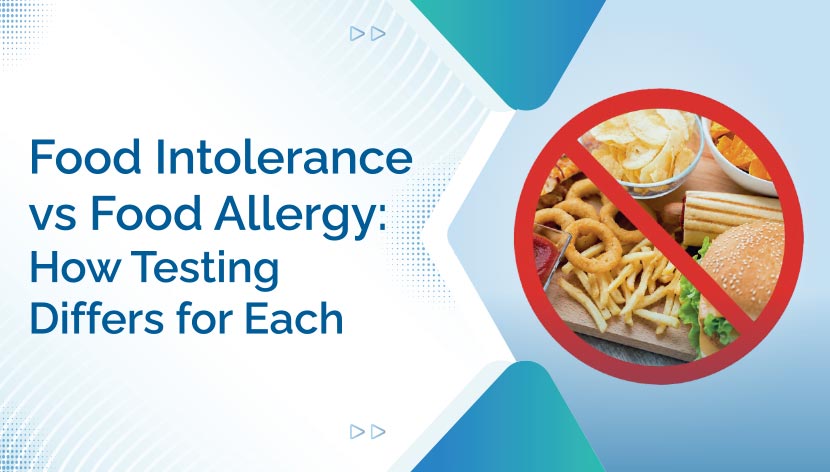
Food-related reactions are often lumped together under a single umbrella, but food...
17-09-2026
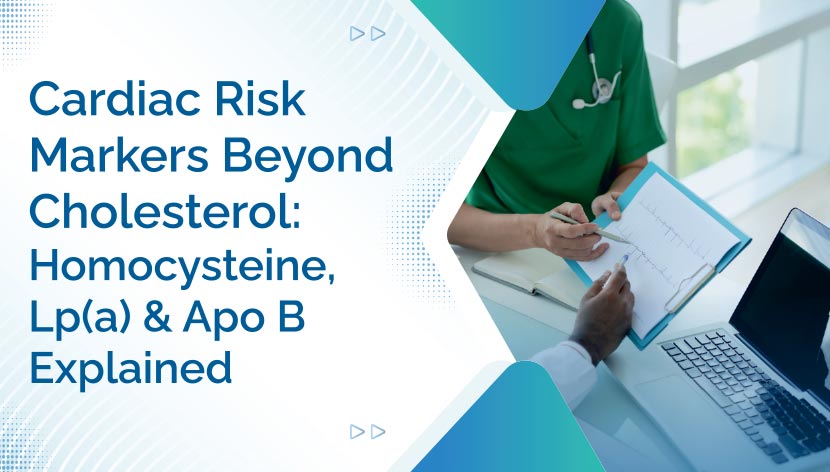
For decades, cholesterol testing has been the cornerstone of cardiovascular risk...
17-09-2026
Chronic fatigue syndrome (chronic fatigue syndrome), also known as myalgic encephalomyelitis...
17-09-2026
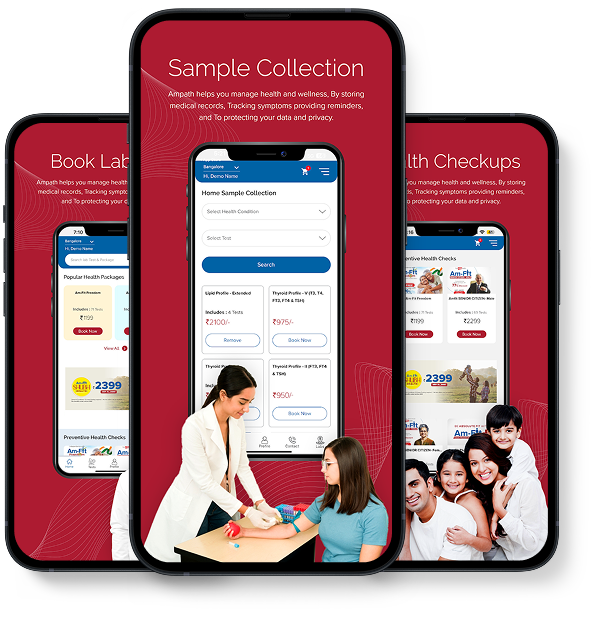
Book lab tests, access reports instantly, and get seamless home sample collection with advanced technology.
Trusted by millions, Ampath Labs ensures accurate diagnostics, convenience, and care at your fingertips.



 Select Location



 Get 15% OFF on 1st order above ₹100 Use code:

































































.jpg)