
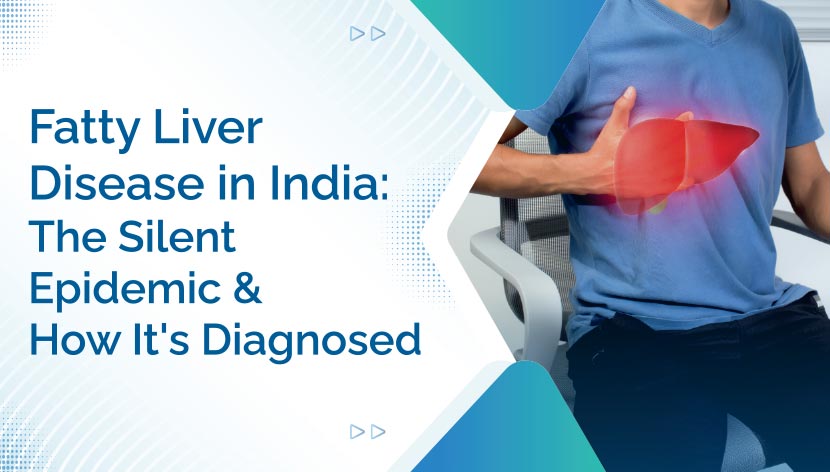


Fatty liver disease has quietly become one of the most common liver conditions in India, affecting a significant portion of the adult population, often without any noticeable symptoms. Frequently linked to lifestyle factors like poor diet, sedentary habits, and rising obesity rates, fatty liver disease is increasingly being called a “silent epidemic” due to its widespread but often undiagnosed nature.
What Is Fatty Liver Disease?
Fatty liver disease occurs when excess fat accumulates in liver cells. It is broadly classified into two types:
Non-Alcoholic Fatty Liver Disease (NAFLD)
Occurs in people who drink little to no alcohol and are closely associated with obesity, insulin resistance, and metabolic syndrome. This is the most common form seen in India today, sometimes now referred to as Metabolic Dysfunction-Associated Steatotic Liver Disease (MASLD) in updated medical terminology.
Alcoholic Fatty Liver Disease
Results from excessive alcohol consumption, which damages liver cells and leads to fat accumulation.
Why Fatty Liver Disease Is Rising in India
Why It’s Called a “Silent” Disease
Fatty liver disease typically causes no symptoms in its early stages. When symptoms do appear, they are often vague and easily attributed to other causes:
By the time more noticeable symptoms like jaundice or significant abdominal swelling occur, the disease may have already progressed to more advanced stages, such as fibrosis or cirrhosis.
Stages of Fatty Liver Disease
Key Tests Used to Diagnose Fatty Liver Disease
1. Liver Function Tests (LFT)
Measures liver enzymes like ALT (alanine aminotransferase) and AST (aspartate aminotransferase), which are often elevated when liver cells are inflamed or damaged, though they can also be normal even with significant fat accumulation.
2. Lipid Profile
Since fatty liver is closely linked to metabolic syndrome, cholesterol and triglyceride levels are often assessed alongside liver tests.
3. Fasting Blood Sugar and HbA1c
Insulin resistance and diabetes are common in individuals with fatty liver disease, making blood sugar testing an important part of the diagnostic workup.
4. Ultrasound Abdomen
Often the first imaging test used to detect fat accumulation in the liver, as it is widely available, non-invasive, and relatively affordable.
5. FibroScan (Transient Elastography)
A specialised, non-invasive test that measures liver stiffness, helping assess the degree of fibrosis or scarring present.
6. Liver Biopsy
In select cases, biopsy may be recommended to confirm the diagnosis and assess the severity of inflammation and fibrosis, particularly when other tests are inconclusive.
7. Viral Hepatitis Screening
Often performed to rule out other causes of liver inflammation, such as hepatitis B or C.
Who Should Get Screened?
Managing and Reversing Fatty Liver Disease
The encouraging news is that early-stage fatty liver disease is often reversible with lifestyle changes:
Conclusion
Fatty liver disease has emerged as a significant health concern in India, often progressing silently until routine testing or imaging reveals its presence. Given its strong link to lifestyle factors like diet, weight, and physical activity, early detection through appropriate testing offers a real opportunity for reversal and prevention of more serious liver damage. If you have risk factors for fatty liver disease, discussing screening options with your doctor is a proactive step toward protecting your liver health.
Frequently Asked Questions
Q1. Can fatty liver disease occur in people who don’t drink alcohol? Yes, non-alcoholic fatty liver disease is the more common form in India today and is primarily linked to obesity, diabetes, and metabolic syndrome rather than alcohol consumption.
Q2. Are liver function tests always abnormal in fatty liver disease? Not necessarily. Liver enzymes can remain normal even when significant fat has accumulated in the liver, which is why imaging tests like ultrasound are often needed for accurate diagnosis.
Q3. Can fatty liver disease lead to liver failure? If left unmanaged, fatty liver disease can progress through stages of inflammation and fibrosis to cirrhosis, which can eventually lead to liver failure, though this typically takes years and isn’t inevitable with proper management.
Q4. How often should someone with fatty liver disease get tested? This depends on the stage and severity of the condition, but many doctors recommend liver function tests and periodic imaging every 6–12 months to monitor progress.

Food-related reactions are often lumped together under a single umbrella, but food...
17-09-2026

For decades, cholesterol testing has been the cornerstone of cardiovascular risk...
17-09-2026

Chronic fatigue syndrome (chronic fatigue syndrome), also known as myalgic encephalomyelitis...
17-09-2026
Book lab tests, access reports instantly, and get seamless home sample collection with advanced technology.
Trusted by millions, Ampath Labs ensures accurate diagnostics, convenience, and care at your fingertips.




 Select Location



 Get 15% OFF on 1st order above ₹100 Use code:
































































.jpg)