
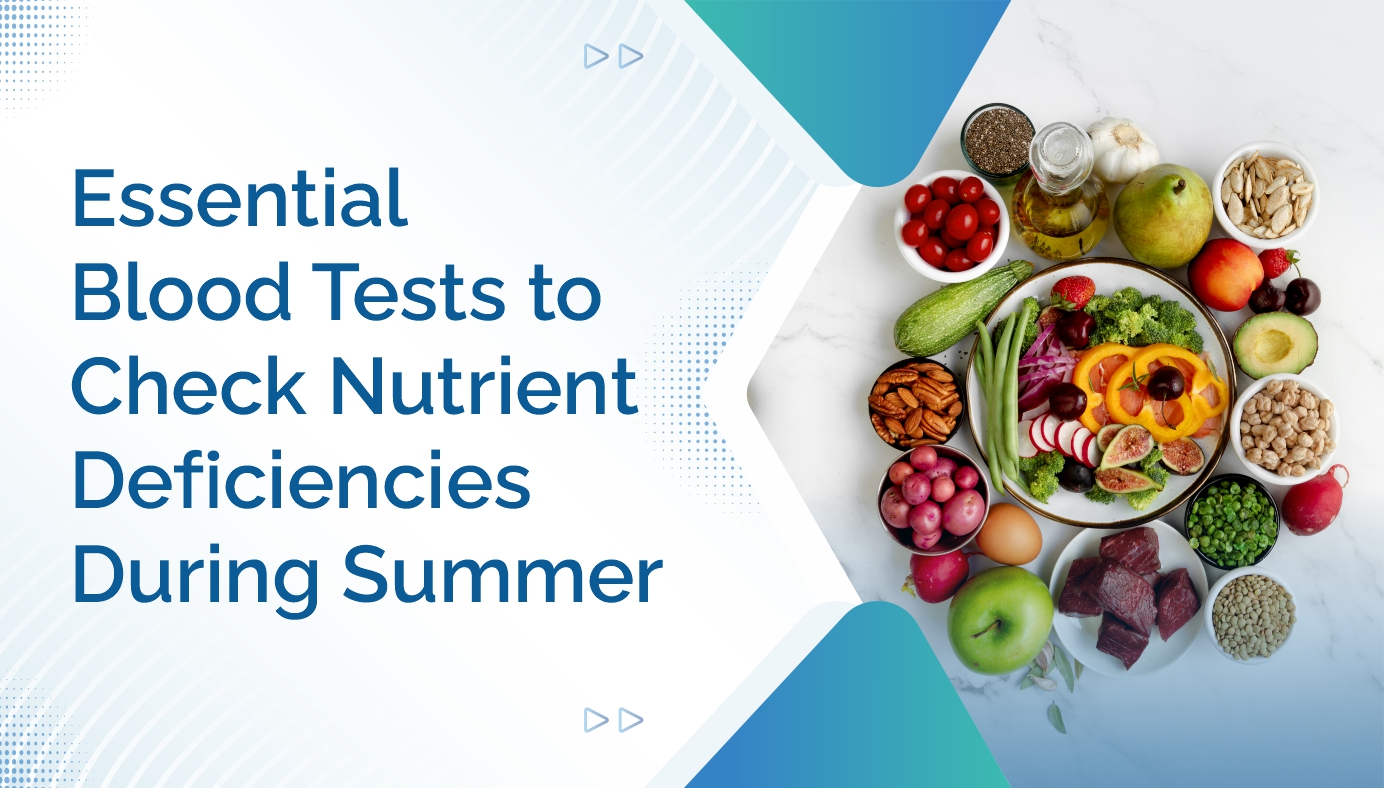


Summer brings longer days, increased outdoor activities, and higher temperatures. While the season encourages an active lifestyle, it also increases the risk of dehydration, fatigue, and nutrient imbalances in the body. Excessive sweating, irregular eating patterns, and exposure to heat can cause the body to lose important vitamins and minerals. This makes it essential to monitor your health and ensure your body gets the nutrients it needs.
One of the most effective ways to identify nutritional gaps is through blood tests. These tests provide detailed insights into vitamin levels, mineral deficiencies, and overall health status. Early detection of nutrient deficiencies allows timely intervention through diet, supplements, or lifestyle adjustments.
Why Summer Is a Critical Time to Test for Nutrient Deficiencies
The body's nutritional needs shift with the seasons. During summer, several factors converge to increase the risk of deficiency:
Getting tested at the start of summer or mid-season helps establish a baseline and catch deficiencies before they affect your daily performance and health.
Key Blood Tests for Nutrient Deficiencies in Summer
1. Vitamin D (25-Hydroxyvitamin D)
Despite summer sunshine, vitamin D deficiency remains widespread. While the body synthesizes vitamin D through skin exposure to UVB rays, factors like sunscreen use, indoor lifestyles, darker skin tones, and geographic location can all limit production significantly.
The 25-hydroxyvitamin D test is the standard measure of vitamin D status. Optimal levels generally fall between 40–60 ng/mL. Deficiency defined as below 20 ng/mL is associated with fatigue, bone pain, reduced immunity, and mood disturbances. Even mild insufficiency (20–29 ng/mL) can affect energy and muscle function.
This test is particularly important for individuals who spend limited time outdoors or live at higher latitudes, even during the summer months.
2. Complete Blood Count (CBC) with Iron Studies
Iron deficiency is one of the most common nutrient deficiencies worldwide, and summer can exacerbate it. Endurance athletes, individuals who sweat heavily, and those who reduce red meat intake during warmer months are especially at risk.
A Complete Blood Count evaluates red blood cell levels, hemoglobin, and hematocrit key indicators of iron deficiency anemia. Paired with iron studies, including serum ferritin, serum iron, and transferrin saturation, it provides a comprehensive assessment of the body's iron stores and utilization.
Low ferritin, even before anemia develops, can cause persistent fatigue, difficulty concentrating, and reduced exercise tolerance. Catching this early allows for targeted dietary changes or supplementation.
3. Vitamin B12 and Folate
Both vitamin B12 and folate play critical roles in red blood cell production, neurological function, and DNA synthesis. Deficiencies in either can result in fatigue, weakness, numbness or tingling, and cognitive difficulties.
Summer dietary patterns particularly for those following vegetarian or vegan diets, or those who rely heavily on fresh produce without sufficient protein-rich foods can reduce B12 intake. Folate, found abundantly in leafy greens and legumes, may also decline if dietary habits shift.
The serum B12 and folate test is a straightforward blood draw that provides reliable information about current levels. Low B12, in particular, requires prompt attention as prolonged deficiency can lead to irreversible neurological damage.
4. Magnesium
Magnesium is heavily involved in over 300 enzymatic processes, including muscle contraction, nerve transmission, and energy production. It is also one of the most rapidly depleted minerals through sweat.
Athletes and active individuals are at the highest risk of magnesium deficiency during summer. Symptoms include muscle cramps, spasms, irregular heartbeat, difficulty sleeping, and heightened anxiety all of which are commonly misattributed to heat or overexertion.
A serum magnesium test provides a quick overview, though it is worth noting that serum levels reflect only a small fraction of the body's total magnesium. For a more complete picture, some clinicians recommend an RBC (red blood cell) magnesium test, which more accurately reflects intracellular stores.
5. Electrolyte Panel (Sodium, Potassium, Chloride)
Electrolytes regulate fluid balance, nerve function, and muscle contractions. During summer, excessive sweating without adequate fluid and electrolyte replacement can lead to hyponatremia (low sodium), hypokalemia (low potassium), or hypochloremia (low chloride) conditions that range from uncomfortable to dangerous.
An electrolyte panel is a standard blood test that measures all three key electrolytes simultaneously. This test is especially recommended for those who engage in prolonged outdoor exercise, work in hot environments, or experience frequent symptoms such as dizziness, nausea, muscle cramps, or rapid heartbeat.
6. Zinc
Zinc supports immune function, wound healing, and cell division. Like magnesium, it is lost through sweat and requires consistent dietary replenishment. Those who rely on plant-based diets may absorb less zinc due to phytates found in grains and legumes, which can inhibit absorption.
Zinc deficiency can manifest as delayed wound healing, increased susceptibility to infections, loss of appetite, and hair thinning. A serum zinc test, while not perfectly sensitive, provides useful information when assessed alongside clinical symptoms and dietary history.
7. Vitamin C
Vitamin C plays a central role in collagen synthesis, immune defense, and antioxidant protection. Summer's increased UV exposure generates higher levels of oxidative stress in the body, which elevates vitamin C demand. Ironically, vitamin C is also heat-sensitive and cooking or prolonged storage of fruits and vegetables can diminish their content.
While frank scurvy is rare, subclinical vitamin C deficiency is more common and can present as fatigue, easy bruising, slow wound healing, and joint pain. A plasma vitamin C test offers a direct measurement of current levels.
Who Should Consider Getting Tested?
Routine nutrient testing is beneficial for most adults, but it is particularly important for:
How to Prepare for a Nutrient Deficiency Blood Test
Most nutrient blood tests require a 8–12 hour fast beforehand to ensure accurate results. Drinking water is generally permitted and encouraged. Some tests, such as vitamin D and B12, can be taken at any time of day, though your healthcare provider will advise based on the specific panel ordered.
It is important to inform your doctor of any supplements you are currently taking, as high-dose supplementation can temporarily elevate blood levels and affect result interpretation.
Conclusion
A blood test result alone does not tell the full story. Interpreting results in the context of your symptoms, medical history, and lifestyle is essential for accurate diagnosis and effective treatment. Correction strategies may include targeted supplementation, dietary adjustments, or, in more severe cases, medical intervention.
Scheduling a follow-up appointment with your healthcare provider after testing ensures that any deficiencies are addressed appropriately and that you have a clear, personalized plan to support your health through the rest of the season and beyond.
Food-related reactions are often lumped together under a single umbrella, but food...
17-09-2026
For decades, cholesterol testing has been the cornerstone of cardiovascular risk...
17-09-2026

Chronic fatigue syndrome (chronic fatigue syndrome), also known as myalgic encephalomyelitis...
17-09-2026
Book lab tests, access reports instantly, and get seamless home sample collection with advanced technology.
Trusted by millions, Ampath Labs ensures accurate diagnostics, convenience, and care at your fingertips.



 Select Location



 Get 15% OFF on 1st order above ₹100 Use code:



































































.jpg)