


Electrolytes are essential minerals that help your body function properly every second of the day. Among these, sodium and potassium play a vital role in maintaining hydration, nerve function, muscle movement, heart rhythm, and overall cellular activity. Even a small imbalance in these minerals can affect your health and may lead to symptoms ranging from fatigue and muscle cramps to serious heart-related complications.
An electrolyte panel test is a simple blood test that measures the levels of key electrolytes in your body. It helps doctors identify imbalances caused by dehydration, kidney disease, medications, hormonal disorders, and many other medical conditions. Detecting these imbalances early allows timely treatment and prevents potential complications.
What Is an Electrolyte Panel Test?
An electrolyte panel is a blood test that measures the concentration of important electrolytes in your bloodstream. These charged minerals help regulate numerous bodily functions, including:
The test commonly measures:
Sometimes, healthcare providers may recommend additional electrolyte tests such as calcium, magnesium, and phosphate depending on your symptoms or medical condition.
Why Are Electrolytes Important?
Electrolytes carry electrical charges that allow your body's cells to communicate effectively. Every heartbeat, muscle movement, and nerve impulse depends on the correct balance of these minerals.
Your kidneys, hormones, and digestive system work continuously to maintain electrolyte levels within a narrow range. Problems occur when these levels become too high or too low.
Electrolyte imbalances can affect:
Without proper electrolyte balance, normal body functions become difficult to maintain.
Why Sodium Matters
Sodium is one of the body's most important electrolytes. Although it is commonly associated with table salt, sodium performs many essential biological functions.
Maintains Fluid Balance
Sodium helps regulate the amount of water inside and outside your cells. Proper sodium levels prevent excessive fluid loss or fluid retention.
Supports Nerve Function
Nerve cells rely on sodium to transmit electrical signals throughout the body. These signals control movement, sensation, and communication between the brain and organs.
Helps Muscle Function
Muscles contract and relax through electrical impulses that require sodium.
Regulates Blood Pressure
Sodium influences blood volume and blood pressure. Both excessive and insufficient sodium can affect cardiovascular health.
What Happens When Sodium Levels Are Too Low?
Low sodium levels (hyponatremia) may develop because of:
Symptoms may include:
Severe hyponatremia requires immediate medical attention.
What Happens When Sodium Levels Are Too High?
High sodium levels (hypernatremia) usually occur due to dehydration or inadequate water intake.
Possible causes include:
Symptoms may include:
Why Potassium Matters
Potassium is another critical electrolyte that works closely with sodium.
Its primary functions include:
Nearly every cell in the body depends on potassium for normal functioning.
Low Potassium (Hypokalemia)
Low potassium levels can develop due to:
Symptoms may include:
Since potassium is essential for heart function, significantly low levels can become dangerous if left untreated.
High Potassium (Hyperkalemia)
High potassium levels often occur when the kidneys cannot remove excess potassium effectively.
Causes include:
Symptoms may include:
In severe cases, hyperkalemia can lead to life-threatening cardiac complications.
The Relationship Between Sodium and Potassium
Sodium and potassium work together to regulate many body functions.
Their balance helps:
When sodium increases, potassium often decreases, and vice versa. Maintaining the right ratio is more important than focusing on either mineral alone.
An electrolyte panel helps evaluate whether this balance has been disrupte
Who Should Get an Electrolyte Panel Test?
Doctors may recommend an electrolyte panel if you experience symptoms suggesting an imbalance or if you have certain medical conditions.
You may need the test if you have:
The test is also commonly performed during routine health evaluations or before surgery.
Conditions That May Affect Electrolyte Levels
Several health conditions can alter sodium and potassium levels.
These include:
Kidney Disease
Healthy kidneys regulate electrolyte balance. Kidney dysfunction often leads to abnormal sodium and potassium levels.
Heart Failure
Fluid retention and medications used for heart disease can affect electrolyte levels.
Diabetes
High blood sugar may cause dehydration and electrolyte imbalance.
Gastrointestinal Illness
Prolonged vomiting or diarrhoea causes significant electrolyte loss.
Hormonal Disorders
Conditions affecting adrenal hormones may alter sodium and potassium regulation.
Severe Burns or Trauma
Fluid loss following injury may significantly disturb electrolyte balance.
Medications That Can Affect Sodium and Potassium
Certain medications influence electrolyte levels.
Examples include:
People taking these medications may require regular electrolyte monitoring.
How Is an Electrolyte Panel Test Performed?
The electrolyte panel is a routine blood test.
The procedure involves:
1. Cleaning the skin.
2. Collecting a blood sample from a vein in your arm.
3. Sending the sample to a laboratory for analysis.
The entire collection usually takes only a few minutes.
Is Fasting Required?
Most electrolyte panel tests do not require fasting.
However, if the test is combined with other blood investigations such as:
Your healthcare provider may advise fasting beforehand.
Always follow the instructions provided by your healthcare professional or diagnostic laboratory.
Understanding the Test Results
Results are interpreted alongside your symptoms, medical history, and other laboratory findings.
Abnormal electrolyte values do not always indicate a serious illness. Temporary factors such as dehydration, illness, medications, or intense exercise may also influence the results.
Doctors often evaluate:
Further investigations may be recommended if abnormalities are detected.
Signs That Should Not Be Ignored
Persistent symptoms associated with electrolyte imbalance should receive prompt medical attention.
Seek medical evaluation if you experience:
Early diagnosis can help prevent serious complications.
How to Maintain Healthy Sodium and Potassium Levels
Healthy lifestyle habits support normal electrolyte balance.
Stay Hydrated
Drink adequate water throughout the day, especially during hot weather or exercise.
Eat a Balanced Diet
Consume a variety of fruits, vegetables, whole grains, legumes, dairy products, and lean proteins.
Potassium-rich foods include:
Avoid Excess Salt
Excess sodium intake may contribute to high blood pressure and fluid retention.
Replace Fluids During Illness
Vomiting, diarrhoea, and fever increase electrolyte loss. Oral rehydration solutions may be recommended when appropriate.
Take Medications as Directed
Never start or stop medications that affect electrolyte levels without consulting your healthcare provider.
Attend Regular Health Check-ups
Routine blood tests help monitor electrolyte balance, especially for individuals with chronic medical conditions.
Benefits of an Electrolyte Panel Test
This simple blood test offers valuable information about overall health.
Benefits include:
It is widely used in hospitals, emergency departments, outpatient clinics, and routine preventive healthcare.
When Regular Monitoring Is Important
Some individuals benefit from periodic electrolyte testing.
Regular monitoring may be advised for people with:
Monitoring helps identify changes before symptoms become severe.
Conclusion
Sodium and potassium are essential electrolytes that support hydration, nerve signalling, muscle function, heart rhythm, and overall cellular health. Even slight imbalances can affect multiple body systems and may indicate underlying health concerns requiring medical attention.
An electrolyte panel test is a quick, reliable blood test that provides important information about your body's fluid and mineral balance. Whether you are experiencing symptoms such as muscle cramps, weakness, dehydration, irregular heartbeat, or managing chronic conditions like kidney disease or hypertension, this test helps healthcare providers diagnose problems early and guide appropriate treatment.

Food-related reactions are often lumped together under a single umbrella, but food...
17-09-2026

For decades, cholesterol testing has been the cornerstone of cardiovascular risk...
17-09-2026
Chronic fatigue syndrome (chronic fatigue syndrome), also known as myalgic encephalomyelitis...
17-09-2026
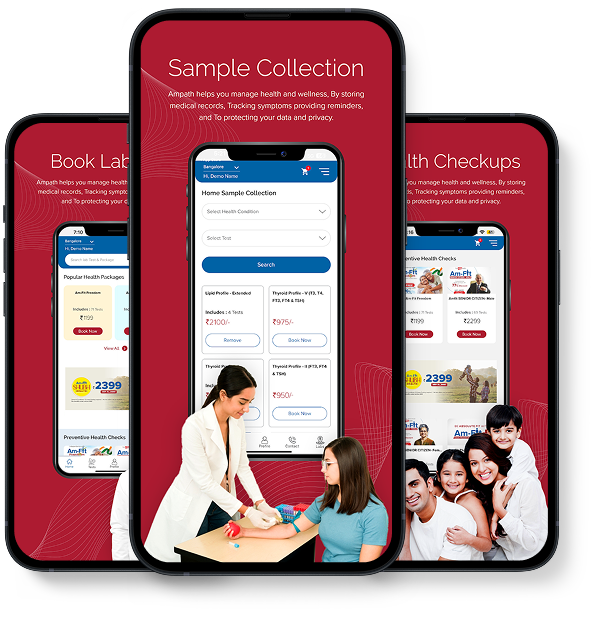
Book lab tests, access reports instantly, and get seamless home sample collection with advanced technology.
Trusted by millions, Ampath Labs ensures accurate diagnostics, convenience, and care at your fingertips.



 Select Location



 Get 15% OFF on 1st order above ₹100 Use code:



































































.jpg)