
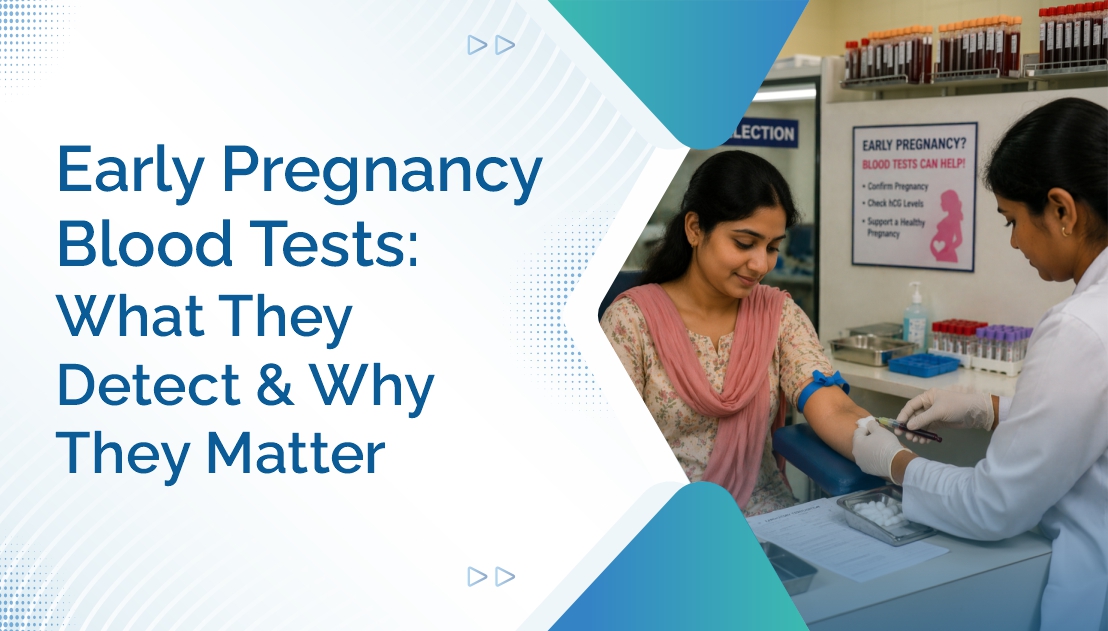


Pregnancy is an exciting yet delicate phase in a woman’s life. The first few weeks after conception are crucial, as significant changes begin to take place in the body even before visible symptoms appear. Early pregnancy blood tests play a vital role in confirming pregnancy, assessing maternal health, detecting potential risks, and ensuring the healthy development of the baby.
Unlike home pregnancy kits, blood tests provide precise, measurable, and comprehensive insights. They help doctors monitor hormone levels, identify nutritional deficiencies, screen for infections, and detect conditions that may affect pregnancy outcomes. Understanding these tests empowers expecting mothers to make informed decisions and seek timely medical care.
Why Blood Tests Are Important in Early Pregnancy
During early pregnancy, many conditions may not show obvious symptoms but can still impact the mother or fetus. Blood tests allow healthcare providers to:
Key Blood Tests Conducted in Early Pregnancy
Physicians typically order a standard panel of blood tests during your first prenatal visit. Each specific test provides targeted insights into different aspects of your health.
Human Chorionic Gonadotropin (hCG)
Human Chorionic Gonadotropin is the primary hormone produced by the placenta shortly after an embryo attaches to the uterine lining. A qualitative hCG blood test simply confirms the presence of the hormone, verifying the pregnancy. A quantitative hCG test measures the exact amount of the hormone in your blood. Because hCG levels typically double every two to three days during early pregnancy, tracking these numbers helps physicians confirm that the pregnancy is developing at a healthy, expected rate.
Complete Blood Count (CBC)
A Complete Blood Count evaluates your overall health and detects a variety of disorders, including anemia and infections. During pregnancy, your blood volume increases significantly to support fetal growth. The CBC measures red blood cells, which carry oxygen throughout the body. Low red blood cell counts indicate anemia, a common condition in pregnancy that requires iron supplementation. The test also measures white blood cells, which indicate your immune system's status, and platelets, which are essential for normal blood clotting.
Blood Typing and Rh Factor
Determining your blood type (A, B, AB, or O) and Rh factor (positive or negative) is a mandatory step in early prenatal care. The Rh factor is a specific protein found on the surface of red blood cells. If a mother is Rh-negative and the fetus is Rh-positive, the mother's immune system may produce antibodies against the fetal blood cells. Identifying this incompatibility early allows healthcare providers to administer medications, such as Rh immune globulin, to prevent complications and protect future pregnancies.
Immunity and Infectious Disease Screening
Maternal infections can have severe implications for fetal development. Standard early pregnancy blood panels include screenings for various infectious diseases and immunities. Providers test for immunity to Rubella (German measles); if the mother lacks immunity, strict avoidance of the disease is necessary until a postpartum vaccination can be administered. Additional screenings typically include tests for Syphilis, Hepatitis B, Hepatitis C, and HIV. Early detection of these conditions enables medical professionals to implement treatment protocols that significantly reduce the risk of transmission to the baby.
Thyroid Function Tests
Thyroid hormones regulate metabolism and are vital for the early development of the fetal brain and nervous system. During the first trimester, the fetus relies entirely on the mother's thyroid hormone production. A Thyroid Stimulating Hormone (TSH) test assesses maternal thyroid function. Detecting hypothyroidism (underactive thyroid) or hyperthyroidism (overactive thyroid) allows for timely medication adjustments, preventing developmental delays and maintaining maternal health.
Why Timely Diagnostic Testing Matters
Early and accurate laboratory testing provides peace of mind through verifiable data. When healthcare providers possess a complete picture of your internal health, they can anticipate challenges rather than reacting to emergencies. For instance, detecting low iron levels early prevents severe anemia during the second and third trimesters.
Furthermore, quantitative tracking of hCG helps rule out ectopic pregnancies—a condition where the fertilized egg implants outside the uterus. Timely identification of such complications is critical for maternal safety. By prioritizing these initial blood tests, you ensure that every medical decision moving forward is based on reliable, high-quality diagnostic evidence.
Conclusion
Early pregnancy is a time of rapid change and development. Blood tests during this phase provide crucial insights into maternal health, hormone levels, nutritional status, and potential risks. They help confirm pregnancy, monitor its progress, and ensure that both mother and baby receive the care they need from the very beginning.
Food-related reactions are often lumped together under a single umbrella, but food...
17-09-2026
For decades, cholesterol testing has been the cornerstone of cardiovascular risk...
17-09-2026
Chronic fatigue syndrome (chronic fatigue syndrome), also known as myalgic encephalomyelitis...
17-09-2026
Book lab tests, access reports instantly, and get seamless home sample collection with advanced technology.
Trusted by millions, Ampath Labs ensures accurate diagnostics, convenience, and care at your fingertips.



 Select Location



 Get 15% OFF on 1st order above ₹100 Use code:



































































.jpg)