
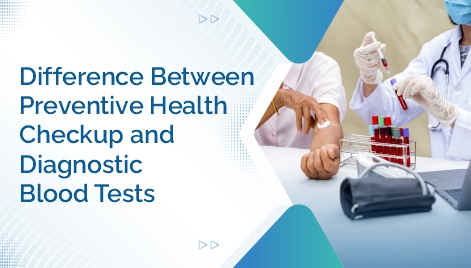


Healthcare today is not only about treating diseases after they occur but also about preventing them before they become serious. Blood tests play a crucial role in both preventive healthcare and disease diagnosis. However, many people often confuse preventive health checkups with diagnostic blood tests, assuming they serve the same purpose. While both involve laboratory testing and help doctors assess health conditions, they are performed for different reasons and provide different types of information.
What Are Preventive Health Checkups?
Preventive health checkups are routine medical examinations and laboratory tests performed to assess a person's overall health status, even when they do not have any symptoms of illness. The primary goal of preventive testing is to detect potential health risks or diseases at an early stage before symptoms appear.
Preventive healthcare focuses on early identification and prevention of chronic diseases such as diabetes, heart disease, kidney disorders, liver diseases, thyroid conditions, and certain cancers. By identifying abnormalities early, healthcare providers can recommend lifestyle changes, medications, or further investigations to prevent disease progression.
Preventive health checkups are usually recommended annually or at specific intervals depending on age, gender, family history, and individual risk factors.
Common Tests Included in Preventive Health Checkups
A comprehensive preventive health checkup may include:
These tests help identify health risks before symptoms develop.
What Are Diagnostic Blood Tests?
Diagnostic blood tests are ordered by healthcare providers when a patient is experiencing symptoms, signs of illness, or abnormal findings during a physical examination. The purpose of diagnostic testing is to confirm, identify, or monitor a specific disease or medical condition.
Unlike preventive screening, diagnostic testing is symptom-driven. It helps doctors understand the underlying cause of a health problem and develop an appropriate treatment plan.
For example, if a patient experiences fatigue, weight loss, fever, chest pain, or persistent cough, a doctor may order specific blood tests to determine the cause.
Common Diagnostic Blood Tests
Examples include:
Diagnostic tests are usually targeted toward a particular condition based on symptoms and medical history.
Main Purpose of Preventive Health Checkups
The main goal of preventive health screening is disease prevention and risk assessment.
Preventive health checkups help:
For example, elevated cholesterol levels discovered during a routine checkup may prompt dietary changes and exercise, helping prevent future cardiovascular disease.
Main Purpose of Diagnostic Blood Tests
Diagnostic blood tests are intended to identify or confirm an existing medical condition.
Their objectives include:
For instance, if someone experiences chest pain, a troponin blood test can help determine whether a heart attack has occurred.
Key Differences Between Preventive Health Checkups and Diagnostic Blood Tests
1. Purpose
Preventive health checkups focus on detecting disease risk before symptoms appear.
Diagnostic blood tests focus on identifying the cause of existing symptoms or medical concerns.
2. Timing
Preventive tests are performed regularly, even when an individual feels healthy.
Diagnostic tests are performed when symptoms, signs, or abnormal findings are present.
3. Scope
Preventive checkups usually include a broad range of tests covering multiple body systems.
Diagnostic testing is more specific and targeted toward a suspected condition.
4. Patient Condition
Preventive testing is done in asymptomatic individuals.
Diagnostic testing is done in symptomatic individuals or those with abnormal screening results.
5. Outcome
Preventive tests help identify risk factors and early disease indicators.
Diagnostic tests help establish a confirmed diagnosis and treatment plan.
Examples of Preventive Health Checkups
Diabetes Screening
Many individuals with early diabetes experience no symptoms. A fasting blood sugar or HbA1c test can detect abnormal glucose levels years before complications develop.
Cholesterol Screening
A lipid profile helps identify elevated cholesterol levels that increase the risk of heart disease and stroke.
Thyroid Screening
Routine thyroid testing can identify hypothyroidism or hyperthyroidism before significant symptoms occur.
Liver and Kidney Screening
Liver and kidney function tests help detect early organ damage that may otherwise go unnoticed.
Vitamin Deficiency Screening
Vitamin D and Vitamin B12 deficiencies are common and often develop gradually. Preventive testing helps identify deficiencies before severe symptoms occur.
Examples of Diagnostic Blood Tests
Troponin Test
Used when a patient has chest pain or suspected heart attack.
D-Dimer Test
Ordered when blood clots such as deep vein thrombosis or pulmonary embolism are suspected.
Ferritin Test
Used to investigate symptoms like fatigue, weakness, or anemia.
CRP Test
Helps detect inflammation or infection in the body.
Tumor Marker Tests
May be used when cancer is suspected based on symptoms or imaging findings.
Why Preventive Health Checkups Are Important
Many serious diseases develop silently over several years. Conditions such as diabetes, hypertension, kidney disease, liver disease, and heart disease often show no symptoms in their early stages.
Preventive health checkups offer several advantages:
Early Disease Detection
Detecting disease before symptoms appear improves treatment success and reduces complications.
Better Treatment Outcomes
Early intervention often requires less aggressive treatment and yields better results.
Reduced Healthcare Costs
Managing diseases in their early stages is usually less expensive than treating advanced complications.
Increased Life Expectancy
Regular health screenings contribute to improved long-term health and longevity.
Improved Quality of Life
Preventive care helps individuals maintain optimal health and avoid serious illness.
Why Diagnostic Blood Tests Are Important
Diagnostic testing is equally critical because it helps healthcare providers accurately identify illnesses and initiate appropriate treatment.
Benefits include:
Accurate Diagnosis
Blood tests provide objective data that support clinical decision-making.
Timely Treatment
Early diagnosis allows prompt treatment and improved recovery.
Monitoring Disease Progression
Many chronic diseases require regular blood testing to assess progression.
Treatment Evaluation
Diagnostic tests help determine whether medications or therapies are working effectively.
Can Preventive Tests Become Diagnostic Tests?
Yes. Sometimes abnormalities found during preventive health screenings lead to further diagnostic testing.
For example:
In this way, preventive testing often serves as the first step in identifying health issues.
Who Should Undergo Preventive Health Checkups?
Preventive health checkups are recommended for:
Healthcare providers may recommend customized screening schedules based on individual risk factors.
When Are Diagnostic Blood Tests Needed?
Diagnostic testing is typically recommended when symptoms occur, including:
Doctors select specific blood tests based on symptoms, medical history, and physical examination findings.
How Often Should You Get Preventive Health Checkups?
The frequency depends on age and risk factors.
Regular health assessments help track changes and identify potential problems early.
Conclusion
Although preventive health checkups and diagnostic blood tests both involve laboratory evaluations, they serve distinct purposes. Preventive health checkups are designed to identify health risks and detect diseases before symptoms develop, while diagnostic blood tests are used to investigate symptoms and confirm medical conditions.
Preventive screenings help maintain long-term wellness through early detection and risk management, whereas diagnostic tests provide critical information for accurate diagnosis and treatment. Together, they form an essential part of modern healthcare, ensuring that diseases are detected early, managed effectively, and prevented whenever possible.

Food-related reactions are often lumped together under a single umbrella, but food...
17-09-2026

For decades, cholesterol testing has been the cornerstone of cardiovascular risk...
17-09-2026
Chronic fatigue syndrome (chronic fatigue syndrome), also known as myalgic encephalomyelitis...
17-09-2026
Book lab tests, access reports instantly, and get seamless home sample collection with advanced technology.
Trusted by millions, Ampath Labs ensures accurate diagnostics, convenience, and care at your fingertips.



 Select Location



 Get 15% OFF on 1st order above ₹100 Use code:



































































.jpg)