
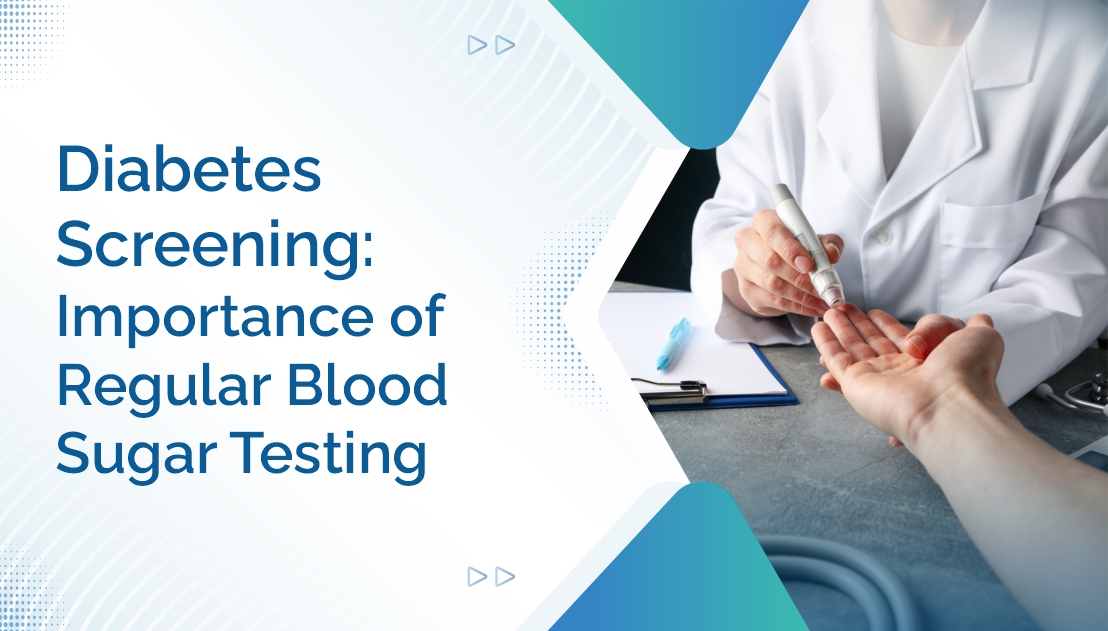


Diabetes remains a significant global health concern, affecting millions of individuals across various age groups. Elevated blood sugar levels, if left unmonitored and unmanaged, often lead to severe physiological complications. Proactive healthcare requires a thorough understanding of your metabolic function, making regular diabetes screening a critical component of personal health management.
Many individuals remain unaware of their prediabetic or diabetic status due to a lack of noticeable symptoms in the early stages. Routine blood sugar testing provides an accurate, measurable assessment of your glucose levels. This diagnostic visibility allows medical professionals to identify abnormalities long before severe symptoms manifest, ensuring you receive timely and effective medical guidance.
Understanding Diabetes and Blood Sugar Levels
To comprehend the necessity of screening, patients must first understand how the human body processes energy.
The Role of Glucose in the Body
When you consume food, your body breaks down carbohydrates into glucose, a simple sugar that serves as your primary source of energy. The pancreas releases a hormone called insulin, which acts as a key to allow glucose to enter your cells. When this system functions correctly, blood sugar levels remain stable. However, metabolic dysfunction disrupts this process, causing glucose to accumulate in the bloodstream.
Types of Diabetes
Diabetes generally presents in two primary forms. Type 1 diabetes is an autoimmune condition where the pancreas produces little to no insulin. Type 2 diabetes, which is significantly more common, occurs when the body becomes resistant to insulin or fails to produce sufficient amounts to maintain normal glucose levels. Both conditions require precise medical monitoring and management to prevent long-term systemic damage.
Why Regular Diabetes Screening is Essential
Consistent diagnostic testing is the most reliable method for monitoring your metabolic health. Utilizing state-of-the-art diagnostic centers ensures accurate and timely reports for every patient.
Early Detection and Prevention
Prediabetes is a condition where blood sugar levels are higher than normal but not yet high enough to be classified as Type 2 diabetes. Comprehensive health check packages easily identify prediabetes. Once identified, patients can implement dietary adjustments, increase physical activity, and utilize weight management strategies to reverse the condition entirely. Early detection fundamentally prevents the progression to full-onset diabetes.
Preventing Severe Complications
Prolonged elevated blood sugar damages blood vessels and nerves throughout the body. Without regular screening, patients face an increased risk of severe health complications. These include cardiovascular disease, chronic kidney disease (nephropathy), nerve damage (neuropathy), and vision impairment (retinopathy). Routine laboratory tests mitigate these risks by keeping physicians informed of your exact metabolic status.
Common Methods for Blood Sugar Testing
Professional pathology labs offer a comprehensive range of diagnostic tests tailored to evaluate your blood glucose levels. Certified medical professionals administer these tests to ensure optimal accuracy.
Fasting Blood Sugar Test
This foundational test measures the amount of glucose in your blood after an overnight fast. Patients must abstain from food and drink (except water) for eight to ten hours prior to sample collection. A fasting blood sugar level of 99 mg/dL or lower is considered normal, while levels between 100 and 125 mg/dL indicate prediabetes. A result of 126 mg/dL or higher points to diabetes.
Hemoglobin A1c (HbA1c) Test
The HbA1c test provides a holistic health assessment by measuring your average blood sugar levels over the past two to three months. It measures the percentage of blood sugar attached to hemoglobin, the oxygen-carrying protein in red blood cells. An A1c level below 5.7% is normal. Levels between 5.7% and 6.4% indicate prediabetes, and an A1c of 6.5% or higher on two separate tests indicates diabetes. This test does not require fasting.
Oral Glucose Tolerance Test (OGTT)
The OGTT evaluates how efficiently your body processes sugar. After a fasting blood sample is drawn, you consume a specific sugary beverage provided by the diagnostic center. Medical staff then draw additional blood samples at regular intervals, typically over two hours. This test is highly effective for diagnosing gestational diabetes during pregnancy and identifying insulin resistance.
Who Should Consider Regular Screening?
Medical experts recommend regular diabetes screening for specific demographics based on established risk factors. You should prioritize individual blood tests if you meet any of the following criteria:
Conclusion
Understanding your metabolic health is the foundation of disease prevention and longevity. Diabetes progresses silently, making proactive healthcare and regular diagnostic screening absolutely essential. Relying on high-quality, accessible, and affordable diagnostic services allows you to take control of your well-being with confidence.
Schedule a comprehensive health check package or individual blood test with a certified pathology lab today. Securing accurate, timely reports will provide you and your physician with the exact data needed to ensure your lasting health and vitality.

Food-related reactions are often lumped together under a single umbrella, but food...
17-09-2026

For decades, cholesterol testing has been the cornerstone of cardiovascular risk...
17-09-2026

Chronic fatigue syndrome (chronic fatigue syndrome), also known as myalgic encephalomyelitis...
17-09-2026
Book lab tests, access reports instantly, and get seamless home sample collection with advanced technology.
Trusted by millions, Ampath Labs ensures accurate diagnostics, convenience, and care at your fingertips.




 Select Location



 Get 15% OFF on 1st order above ₹100 Use code:



































































.jpg)