
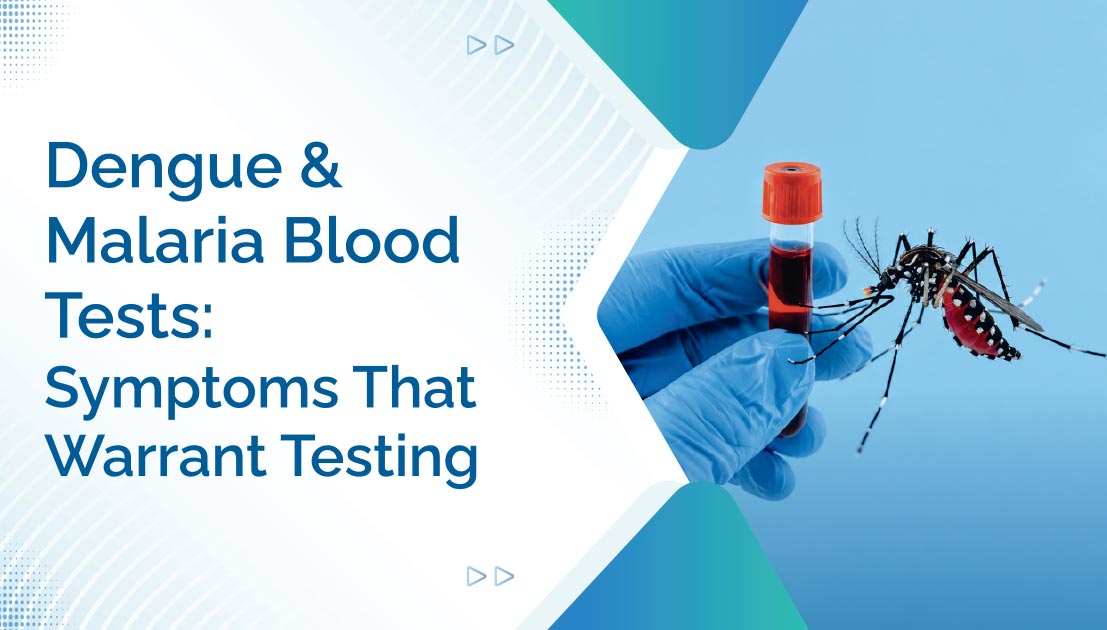


Mosquito-borne diseases continue to be a major public health concern, especially during the monsoon and post-monsoon seasons. Among them, dengue and malaria are two of the most common infections affecting millions of people every year. While both illnesses are transmitted through mosquito bites and often begin with similar symptoms such as fever, chills, headache, and body pain, they are caused by different organisms and require different treatments.
One of the biggest challenges is that the early signs of dengue and malaria closely resemble other viral infections. Relying only on symptoms can delay the correct diagnosis and increase the risk of complications. Blood tests play a crucial role in identifying the exact cause of the illness, helping doctors begin the appropriate treatment without unnecessary delays.
Why Early Diagnosis Matters
Both dengue and malaria can worsen rapidly if left untreated. Although many people recover with timely medical care, delayed diagnosis may lead to serious complications.
Dengue complications may include:
Malaria complications may include:
Since treatment approaches differ significantly, identifying the disease early through laboratory testing is essential.
Understanding Dengue
Dengue is caused by the dengue virus, which spreads through the bite of infected Aedes mosquitoes. These mosquitoes usually bite during the daytime, particularly in the early morning and late afternoon.
There are four different dengue virus serotypes, and infection with one type does not provide complete protection against the others. A second infection with a different serotype may increase the risk of severe dengue.
Most patients begin showing symptoms within 4 to 10 days after being bitten by an infected mosquito.
Understanding Malaria
Malaria is caused by Plasmodium parasites that spread through infected Anopheles mosquitoes, which usually bite between dusk and dawn.
Several malaria parasites infect humans, including:
Among these, Plasmodium falciparum is considered the most dangerous because it can rapidly become life-threatening if not treated promptly.
Common Symptoms of Dengue
Many dengue symptoms resemble those of seasonal viral infections. However, certain signs should prompt immediate medical evaluation.
Common symptoms include:
As the disease progresses, platelet counts may decrease significantly, increasing the risk of bleeding complications.
Common Symptoms of Malaria
Malaria often presents with recurring fever episodes accompanied by chills and sweating.
Symptoms include:
Some individuals may experience symptoms every 48 to 72 hours depending on the malaria parasite involved.
Symptoms That Warrant Immediate Blood Testing
While mild viral infections often improve within a few days, certain symptoms indicate the need for immediate laboratory testing.
Persistent High Fever
A fever above 102°F lasting for more than two days should never be ignored, especially during mosquito breeding seasons.
Persistent fever is one of the earliest warning signs of both dengue and malaria.
Sudden Severe Headache
A severe headache that develops with fever, particularly around the forehead or behind the eyes, may suggest dengue infection.
Blood testing helps differentiate it from influenza, viral fever, or other infections.
Chills with Sweating
Repeated cycles of chills followed by excessive sweating are classic symptoms of malaria.
This pattern strongly indicates the need for malaria testing.
Muscle and Joint Pain
Dengue is often called "breakbone fever" because of the intense muscle and joint pain many patients experience.
Severe body pain along with fever warrants medical evaluation.
Unexplained Fatigue
Extreme tiredness that interferes with daily activities can occur in both dengue and malaria due to the body's immune response.
Persistent weakness should not be overlooked.
Skin Rash
A reddish skin rash appearing a few days after fever onset is common in dengue.
Although not every patient develops a rash, its presence alongside fever should prompt testing.
Bleeding Symptoms
Seek immediate medical attention if you notice:
These symptoms may indicate severe dengue.
Abdominal Pain
Persistent abdominal pain may occur in severe dengue or complicated malaria.
It requires urgent medical assessment.
Confusion or Drowsiness
Changes in mental status are emergency warning signs.
They may indicate severe malaria affecting the brain or advanced dengue complications.
Immediate hospitalization is necessary.
Difficulty Breathing
Breathlessness, chest discomfort, or rapid breathing can occur in severe infections.
Emergency care should not be delayed.
Blood Tests Used for Dengue Diagnosis
Doctors may recommend one or more blood tests depending on the number of days since symptoms began.
NS1 Antigen Test
The NS1 antigen test is usually performed during the first five days of illness.
It detects viral proteins circulating in the blood and helps diagnose dengue before antibodies develop.
Dengue IgM Antibody Test
IgM antibodies generally become detectable around the fifth day of infection.
A positive result indicates a recent dengue infection.
Dengue IgG Antibody Test
IgG antibodies appear later and may remain detectable for years.
This test helps determine previous exposure or secondary dengue infection.
Complete Blood Count (CBC)
A CBC is commonly recommended alongside dengue testing.
It helps evaluate:
A falling platelet count and rising hematocrit may indicate worsening dengue.
Blood Tests Used for Malaria Diagnosis
Several laboratory methods are available to confirm malaria infection.
Peripheral Blood Smear
This remains the gold standard for malaria diagnosis.
A laboratory specialist examines blood under a microscope to identify malaria parasites and determine the species.
Rapid Malaria Antigen Test
Rapid diagnostic tests detect parasite proteins within minutes.
These tests are especially useful where microscopy is not immediately available.
PCR Test
Polymerase Chain Reaction (PCR) testing offers highly accurate detection of malaria parasites.
It is mainly used in specialized laboratories or complex cases.
Complete Blood Count
CBC findings in malaria may include:
Although not diagnostic alone, these findings support further evaluation.
Dengue vs Malaria: Key Differences
| Feature | Dengue | Malaria |
|---|---|---|
| Cause | Dengue virus | Plasmodium parasite |
| Mosquito | Aedes | Anopheles |
| Fever | Continuous high fever | Cyclical fever with chills |
| Platelet count | Often significantly reduced | May reduce mildly |
| Chills | Less common | Very common |
| Skin rash | Common | Rare |
| Body pain | Severe | Moderate |
| Treatment | Supportive care | Anti-malarial medications |
Who Should Get Tested?
Blood testing is recommended for:
Preparing for the Blood Test
Most dengue and malaria blood tests require minimal preparation.
Patients should:
Fasting is generally not required unless additional blood investigations are being performed.
Can Dengue and Malaria Occur Together?
Yes. Although uncommon, a person can be infected with both dengue and malaria simultaneously.
Because their symptoms overlap significantly, doctors may recommend testing for both infections in patients with persistent fever, especially in regions where both diseases are prevalent.
Prompt diagnosis ensures that both conditions are treated appropriately.
What Happens After a Positive Test?
Treatment depends on the diagnosis.
Dengue management may include:
Antibiotics are not effective against dengue because it is caused by a virus.
Malaria treatment may include:
Completing the full course of prescribed anti-malarial medicines is essential to eliminate the parasite completely.
Preventing Dengue and Malaria
Reducing mosquito exposure remains the best preventive strategy.
Preventive measures include:
Community awareness and environmental sanitation are equally important in reducing mosquito breeding.
When to Seek Emergency Medical Care
Immediate medical attention is necessary if fever is accompanied by:
These symptoms may indicate severe dengue or complicated malaria and require urgent treatment.
Conclusion
Dengue and malaria often begin with symptoms that resemble common viral illnesses, making early diagnosis challenging without laboratory testing. High fever, chills, severe headache, body pain, unexplained fatigue, skin rash, or bleeding symptoms should never be ignored, particularly during seasons when mosquito-borne diseases are common.
Blood tests such as the NS1 antigen test, dengue antibody tests, peripheral blood smear, malaria antigen test, and Complete Blood Count (CBC) provide valuable information for confirming the diagnosis and assessing the severity of the infection. Timely testing allows healthcare providers to begin appropriate treatment, monitor for complications, and improve recovery outcomes.

Food-related reactions are often lumped together under a single umbrella, but food...
17-09-2026

For decades, cholesterol testing has been the cornerstone of cardiovascular risk...
17-09-2026
Chronic fatigue syndrome (chronic fatigue syndrome), also known as myalgic encephalomyelitis...
17-09-2026
Book lab tests, access reports instantly, and get seamless home sample collection with advanced technology.
Trusted by millions, Ampath Labs ensures accurate diagnostics, convenience, and care at your fingertips.




 Select Location



 Get 15% OFF on 1st order above ₹100 Use code:





























































.jpg)