
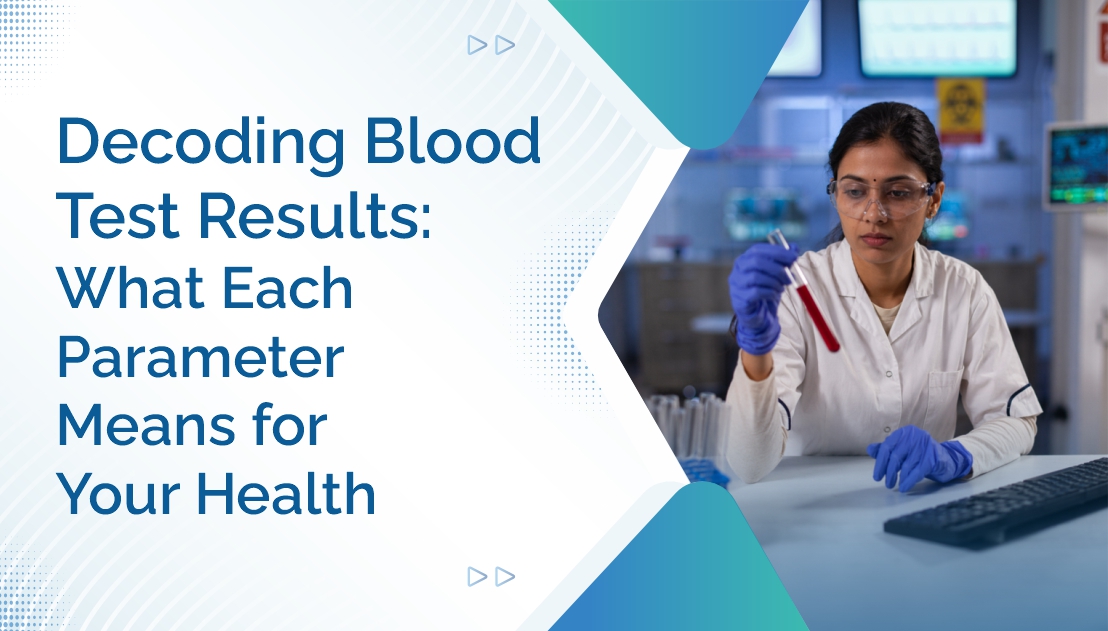


Routine blood tests serve as a vital tool for maintaining and monitoring optimal health. Physicians rely on these diagnostics to assess the function of vital organs, detect underlying medical conditions early, and evaluate the effectiveness of current treatments. When you receive a laboratory report, the sheer volume of numbers, acronyms, and reference ranges can appear highly complex.
Complete Blood Count (CBC)
The Complete Blood Count is one of the most frequently ordered laboratory tests. It evaluates the cells that circulate in your blood, providing critical information about your overall health and immune function.
Red Blood Cells (RBC) and Hemoglobin
Red blood cells are responsible for transporting oxygen from your lungs to the rest of your body. The CBC measures the total count of red blood cells, as well as hemoglobin, the oxygen-carrying protein inside these cells. Another related metric is hematocrit, which measures the proportion of your blood volume that consists of red blood cells. Low levels of these parameters generally indicate anemia, which can result from iron deficiency, chronic disease, or blood loss. High levels might point to dehydration or a condition called polycythemia vera.
White Blood Cells (WBC)
White blood cells form the core of your body’s immune system, protecting against illness and disease. A standard CBC measures your total white blood cell count. Elevated WBC levels typically signify an ongoing infection, inflammation, or immune system disorder. Conversely, a decreased WBC count can leave you vulnerable to infections and may result from certain medications, bone marrow issues, or autoimmune conditions.
Platelets
Platelets are tiny blood cell fragments essential for normal blood clotting. When you sustain an injury, platelets clump together to form a plug that stops the bleeding. A low platelet count, known as thrombocytopenia, increases the risk of excessive bleeding and bruising. A high platelet count, or thrombocytosis, can lead to dangerous blood clots.
The Comprehensive Metabolic Panel (CMP)
The Comprehensive Metabolic Panel provides a broad view of your body's chemical balance and metabolism. It measures 14 different substances in your blood, offering insights into kidney function, liver health, blood sugar levels, and electrolyte balance.
Blood Glucose
Fasting blood glucose measures the amount of sugar in your blood after you have not eaten for at least eight hours. It is a primary screening tool for diabetes and prediabetes. Consistently high glucose levels indicate that your body is not properly producing or utilizing insulin.
Kidney Function Indicators
The CMP includes two primary markers for kidney health: Blood Urea Nitrogen (BUN) and Creatinine. Urea nitrogen is a waste product formed when protein breaks down, while creatinine is a byproduct of normal muscle wear and tear. Healthy kidneys filter both of these substances out of the blood. Elevated levels of BUN and creatinine strongly suggest that the kidneys are underperforming or damaged.
Liver Function Markers
Your liver processes nutrients, filters toxins, and produces proteins. The CMP checks liver function by measuring enzymes such as Alanine Aminotransferase (ALT), Aspartate Aminotransferase (AST), and Alkaline Phosphatase (ALP), as well as bilirubin. High levels of liver enzymes often indicate liver inflammation, damage, or disease, such as hepatitis or cirrhosis.
The Lipid Panel
A lipid panel measures the amount of cholesterol and other fats in your blood. This test is crucial for assessing your risk of cardiovascular disease, including heart attacks and strokes.
LDL and HDL Cholesterol
Cholesterol travels through the blood attached to proteins, forming lipoproteins. Low-Density Lipoprotein (LDL) is commonly referred to as "bad" cholesterol because high levels can cause plaque buildup in your arteries, restricting blood flow. High-Density Lipoprotein (HDL) is known as "good" cholesterol. It helps remove excess cholesterol from your bloodstream and transports it back to the liver for excretion. A healthy lipid profile shows low LDL levels and high HDL levels.
Triglycerides
Triglycerides are the most common type of fat in your body. They store excess energy from your diet. High triglyceride levels, combined with high LDL or low HDL cholesterol, significantly increase the risk of heart disease. Lifestyle factors such as a high-sugar diet, smoking, physical inactivity, and excessive alcohol consumption often contribute to elevated triglycerides.
Thyroid Function Tests
The thyroid is a small, butterfly-shaped gland located in your neck. It produces hormones that regulate your metabolism, heart rate, and body temperature.
TSH, T3, and T4
The most common thyroid test measures Thyroid Stimulating Hormone (TSH). Produced by the pituitary gland, TSH directs the thyroid to produce the hormones thyroxine (T4) and triiodothyronine (T3).
If your thyroid is underactive (hypothyroidism), your pituitary gland produces more TSH to stimulate it, resulting in high TSH levels. If your thyroid is overactive (hyperthyroidism), your TSH levels will drop as the pituitary gland tries to slow down thyroid hormone production. Physicians often test T3 and T4 levels alongside TSH to get a complete picture of thyroid function.
Conclusion
Understanding the parameters of your blood tests is a crucial step in proactive healthcare management. By familiarizing yourself with terms like hemoglobin, HDL, and creatinine, you transform a confusing medical document into a clear assessment of your physical well-being.

Food-related reactions are often lumped together under a single umbrella, but food...
17-09-2026

For decades, cholesterol testing has been the cornerstone of cardiovascular risk...
17-09-2026

Chronic fatigue syndrome (chronic fatigue syndrome), also known as myalgic encephalomyelitis...
17-09-2026
Book lab tests, access reports instantly, and get seamless home sample collection with advanced technology.
Trusted by millions, Ampath Labs ensures accurate diagnostics, convenience, and care at your fingertips.



 Select Location



 Get 15% OFF on 1st order above ₹100 Use code:


































































.jpg)