Maintaining heart health starts with understanding the numbers on a lipid
profile. This blood test provides a snapshot of fats in the bloodstream and
helps doctors assess the risk of cardiovascular disease.
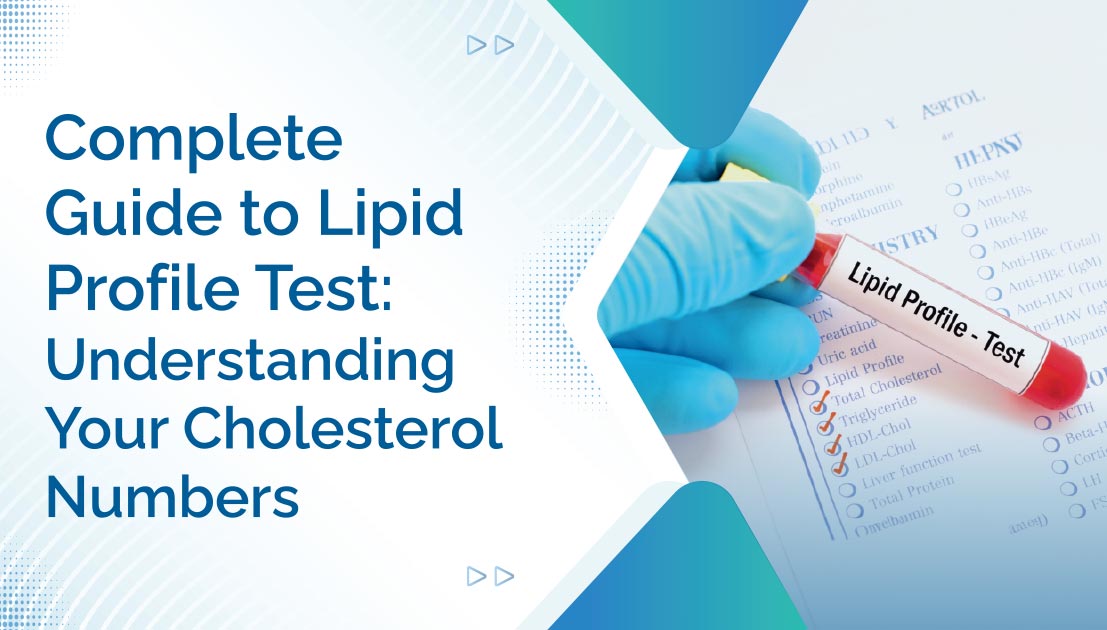
What is a lipid profile?
A lipid profile, also called a lipid panel, measures the amounts of different
types of lipids, fats and fat-like substances in the blood. The main
components measured are:
- Total cholesterol: the sum of all cholesterol types in the blood.
-
Low-density lipoprotein cholesterol (LDL-C): often called “bad” cholesterol
because high levels are associated with plaque buildup in arteries.
-
High-density lipoprotein cholesterol (HDL-C): often called “good”
cholesterol because it helps remove cholesterol from the bloodstream.
-
Triglycerides: a type of fat used for energy; high levels are linked to
increased heart disease risk.
Some labs also report non-HDL cholesterol (total cholesterol minus HDL) and
the LDL particle number or size in specialized testing.
Why the lipid profile matters
Cholesterol and triglycerides travel in the bloodstream attached to proteins,
forming lipoproteins. When LDL particles deposit cholesterol in artery walls,
plaques form and narrow the vessels, increasing the risk of heart attack and
stroke. HDL particles work in the opposite direction, carrying cholesterol
away from arteries to the liver for removal. Triglyceride levels reflect how
the body handles energy; very high triglycerides can cause pancreatitis as
well as contribute to cardiovascular risk.
Components explained
-
Total cholesterol: This is useful as a quick overview, but it doesn’t
indicate the balance between “good” and “bad” cholesterol. A moderate total
cholesterol with low HDL and high LDL can still indicate high risk.
-
LDL-C: The main treatment target in most guidelines. Lowering LDL reduces
risk of heart disease in people at risk. Targets differ based on overall
risk, age, and existing health conditions.
-
HDL-C: Higher values are generally protective. Extremely high HDL isn’t
necessarily better in some contexts, but for most people, higher HDL links
with lower cardiovascular events.
-
Triglycerides: Normal values vary by fasting status and lab method. Elevated
triglycerides can reflect poor diet, excess alcohol, uncontrolled diabetes,
or genetic conditions.
When and how the test is performed
The lipid profile is a simple blood test. Many clinics ask for a 9–12 hour
fast before sample collection because eating can raise triglyceride levels and
slightly alter LDL estimates. Some modern guidelines permit non-fasting
samples for routine screening, especially if only total cholesterol and HDL
are needed. If triglycerides are high in a non-fasting sample, a fasting test
is often requested for accuracy.
Blood samples are usually drawn from a vein in the arm. Results typically
return within a day or two. If the lab uses calculated LDL (the common
Friedewald equation), the calculation becomes inaccurate when triglycerides
exceed about 4.5 mmol/L (400 mg/dL), prompting direct LDL measurement or
repeat testing.
Interpreting numbers: general ranges
Different countries and labs use slightly different units (mg/dL in India and
the US; mmol/L in many other countries). Below are general ranges in mg/dL for
adults:
- Total cholesterol: desirable <200; borderline 200–239; high ≥240.
-
LDL cholesterol: optimal <100; near optimal 100–129; borderline 130–159;
high 160–189; very high ≥190.
- HDL cholesterol: low <40 (men), <50 (women); protective ≥60.
-
Triglycerides: normal <150; borderline 150–199; high 200–499; very high
≥500.
Risk assessment and treatment thresholds
Treatment decisions do not rely on lipid numbers alone. Healthcare providers
evaluate overall cardiovascular risk using factors such as age, sex, blood
pressure, smoking status, diabetes, family history, and existing heart or
vascular disease. Risk calculators estimate 10-year or lifetime risk for heart
attack or stroke and help determine treatment intensity.
General approaches:
-
Lifestyle first for most people with mild abnormalities: dietary changes,
weight management, physical activity, and quitting tobacco.
-
Medication for higher-risk individuals: statins are the first-line drugs to
lower LDL and reduce cardiovascular events. Other drug classes include
ezetimibe, PCSK9 inhibitors, fibrates (primarily for very high
triglycerides), and omega-3 fatty acid formulations.
Specific LDL targets and statin use vary by guidelines and individual risk.
People with existing cardiovascular disease, diabetes with additional risk
factors, or very high LDL levels usually receive more aggressive LDL lowering.
Factors that influence lipid levels
-
Diet: Saturated and trans fats raise LDL. Foods high in refined
carbohydrates and sugar can raise triglycerides. Dietary patterns rich in
whole grains, healthy fats (olive oil, nuts, fatty fish), fruits,
vegetables, and fiber lower risk.
-
Weight and physical activity: Excess weight and inactivity raise
triglycerides and lower HDL. Losing 5–10% of body weight and regular aerobic
exercise often improve lipid profiles.
-
Alcohol: Moderate intake may raise HDL but can increase triglycerides and
calorie intake; heavy drinking raises triglycerides significantly.
- Smoking: Lowers HDL and increases cardiovascular risk.
-
Medications and supplements: Some medications raise lipids (certain
antipsychotics, corticosteroids, beta-blockers). Others lower them (statins,
fibrates, niacin).
-
Medical conditions: Diabetes, hypothyroidism, kidney disease, and liver
disease can alter lipid levels.
-
Genetics: Familial hypercholesterolemia and other inherited disorders can
cause very high LDL or triglycerides and often require early medical
treatment.
How to improve your lipid numbers
-
Adopt a heart-healthy diet: Emphasize vegetables, fruits, legumes, whole
grains, lean protein, and healthy fats. Replace refined carbohydrates and
sugary drinks with whole foods. Reduce red meat and full-fat dairy; choose
fish, poultry, and plant-based proteins.
-
Choose fats wisely: Replace saturated fats (butter, ghee, fatty cuts) with
monounsaturated (olive, canola) and polyunsaturated fats (sunflower,
soybean, fatty fish). Avoid trans fats found in some processed foods.
-
Increase soluble fiber: Oats, barley, beans, lentils, apples, and psyllium
lower LDL by reducing absorption of cholesterol in the gut.
-
Be physically active: Aim for at least 150 minutes of moderate-intensity
aerobic activity per week, plus muscle-strengthening activities twice
weekly.
-
Manage weight: Even modest weight loss can reduce triglycerides and improve
HDL.
-
Limit alcohol and quit smoking: Restrict alcohol intake and avoid tobacco to
improve triglycerides and HDL.
-
Follow medical advice: If lifestyle changes are insufficient or if risk is
high, medications can dramatically lower LDL and reduce events. Continue
regular follow-up and adherence to prescribed therapy.
When repeat testing is needed
After initiating lifestyle changes or medication, doctors typically repeat the
lipid profile in 6–12 weeks to check response, then every 3–12 months
depending on stability and therapy. For routine low-risk screening, testing
every 4–6 years may suffice for adults with stable values, though frequency
increases with age, new risk factors, or family history.
Special considerations
-
Pregnancy: Lipid levels naturally rise during pregnancy. Testing for lipid
disorders is deferred unless a history or strong suspicion of genetic high
cholesterol exists.
-
Children and adolescents: Screening recommendations vary, but children with
family history of premature heart disease or known genetic disorders may
need earlier testing and treatment.
-
Very high triglycerides: Levels above 500 mg/dL require prompt attention to
reduce pancreatitis risk. Treatment may include fibrates, prescription
omega-3, and strict lifestyle measures.
Common questions people ask
-
Is a fasting sample necessary? Non-fasting samples are acceptable for many
adults, especially for routine screening; fasting remains preferable if
triglycerides are high or if precise LDL calculation is needed.
-
Can normal numbers guarantee safety? Normal lipid values lower risk but do
not eliminate it; other factors like blood pressure, diabetes, and smoking
also drive cardiovascular disease.
-
Are supplements helpful? Plant sterols, psyllium, and certain omega-3
formulations can help lower lipids modestly. Always discuss supplements with
a healthcare provider, especially if taking other medications.
Practical steps for your next visit
- Bring any previous lipid reports to show trends.
- List all medications and supplements.
-
Be ready to discuss diet, exercise, smoking, alcohol, and family history.
-
Ask your clinician how your overall cardiovascular risk was assessed and
what target goals are appropriate for you.
Conclusion
A lipid profile is a powerful tool that, when combined with broader risk
assessment, guides prevention and treatment of heart disease. Understanding
each component helps you and your clinician make informed decisions about
lifestyle changes and therapy. Regular monitoring and a proactive approach to
diet, activity, and medication when needed can substantially reduce the risk
of heart attack, stroke, and other complications.









 Select Location



 Get 15% OFF on 1st order above ₹100 Use code:



































































.jpg)