
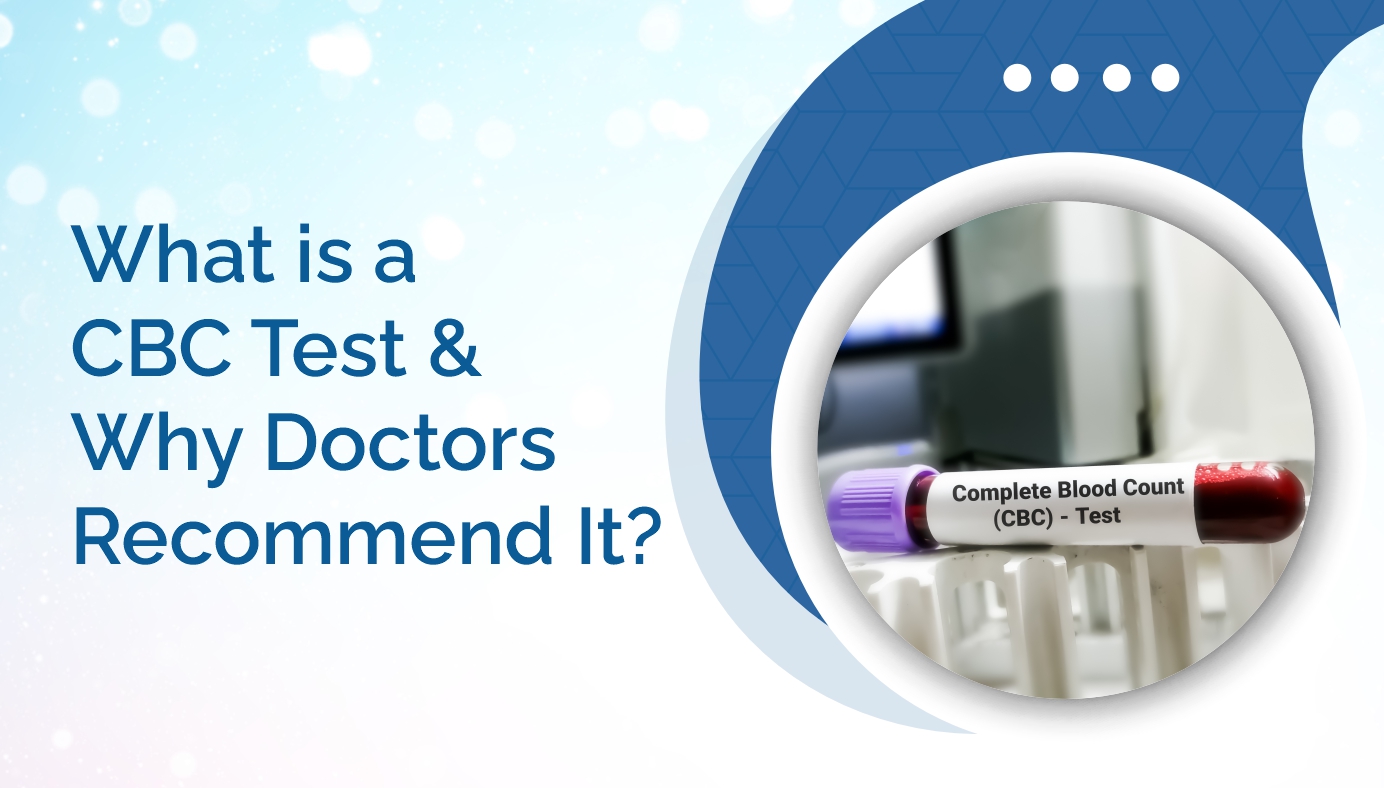


A CBC is often the first step in diagnosing a broad spectrum of medical conditions, ranging from common infections and anemia to more complex disorders such as leukemia. By measuring the concentration and quality of red blood cells, white blood cells, and platelets, healthcare providers can detect underlying issues before they manifest as severe symptoms.
Understanding the Components of a CBC
The blood flowing through your veins is a complex mixture of plasma and cells, each performing distinct and vital functions. A Complete Blood Count does not merely look at the blood as a whole; rather, it quantifies and evaluates the three major types of cells suspended in the plasma.
Red Blood Cells (Erythrocytes)
Red blood cells are responsible for carrying oxygen from the lungs to the rest of the body. They also transport carbon dioxide back to the lungs to be exhaled. The CBC measures three key aspects regarding these cells:
White Blood Cells (Leukocytes)
White blood cells are the primary defenders of the immune system. They protect the body against infection and invasion by bacteria, viruses, and other foreign substances. A CBC measures the total count of white blood cells. A more detailed version of the test, known as a CBC with differential, breaks down the count into the five types of white blood cells (neutrophils, lymphocytes, monocytes, eosinophils, and basophils), which helps identify specific types of infections or allergic reactions.
Platelets (Thrombocytes)
Platelets are cell fragments that play a crucial role in blood clotting. When a blood vessel is damaged, platelets rush to the site to form a barrier, stopping the bleeding. The CBC measures the number of platelets and often their mean size to evaluate the body's ability to control bleeding.
Why Physicians Recommend a CBC Test
Doctors utilize the CBC for a variety of diagnostic and preventative reasons. Because the test provides such a broad snapshot of hematological health, it is a versatile tool in clinical practice.
Routine Health Evaluation
The CBC is a standard component of an annual physical exam. Even in the absence of symptoms, this test establishes a baseline for a patient's health. It allows physicians to screen for common issues such as anemia or subtle infections that may not yet be causing noticeable physical distress.
Diagnosing Medical Conditions
When a patient presents with symptoms such as fatigue, fever, inflammation, bruising, or weakness, a doctor will likely order a CBC. The results help isolate the cause of these symptoms. For example, a high white blood cell count typically points toward an infection, while a low red blood cell count explains symptoms of lethargy associated with anemia.
Monitoring Chronic Conditions
Patients diagnosed with blood disorders or chronic diseases that affect blood cell counts require regular monitoring. Conditions such as lupus, leukemia, or chronic anemia necessitate frequent CBC tests to track the progression of the disease and the effectiveness of the management plan.
Evaluating Medical Treatments
Certain medical treatments, including chemotherapy and radiation, can significantly impact blood cell production. Additionally, various prescription medications may have side effects that alter blood counts. Regular testing ensures that these treatments are not compromising the patient's immune system or clotting ability to a dangerous degree.
The Procedure: What to Expect
The process of obtaining a Complete Blood Count is straightforward and minimally invasive. It requires a blood sample, typically drawn from a vein in the arm.
Preparation
In most cases, no special preparation is required for a standard CBC. Patients can usually eat and drink normally before the appointment. However, if the blood sample will be used for additional tests, such as a lipid panel or glucose test, fasting may be necessary. It is important to follow the specific instructions provided by the healthcare facility.
During the Test
A phlebotomist or nurse will clean the skin with an antiseptic wipe and place an elastic band around the upper arm to make the vein swell with blood. A needle is then inserted into the vein, and the blood is collected into a vial. The process typically takes only a few minutes and causes minimal discomfort, often described as a slight pinch.
After the Test
Once the needle is removed, a small bandage is applied to the puncture site. Patients can usually return to their daily activities immediately. The sample is sent to a laboratory for analysis, with results often available within 24 to 48 hours depending on the facility.
Interpreting CBC Results
Results from a CBC are reported as a set of numbers compared against a reference range. This reference range represents normal values for the vast majority of healthy people. It is important to note that "normal" ranges can vary slightly depending on the laboratory, as well as the patient's age and gender.
Interpreting Red Blood Cell Results
Interpreting White Blood Cell Results
Interpreting Platelet Results
Conclusion
The Complete Blood Count remains a cornerstone of medical diagnostics due to its reliability and the depth of information it provides. It serves as a vital indicator of general wellness and a primary alert system for potential health complications. By understanding the components and implications of the CBC, patients are better equipped to engage in informed discussions with their healthcare providers. Regular screening through trusted diagnostic centers ensures that any deviations from the norm are addressed promptly.

Food-related reactions are often lumped together under a single umbrella, but food...
17-09-2026

For decades, cholesterol testing has been the cornerstone of cardiovascular risk...
17-09-2026

Chronic fatigue syndrome (chronic fatigue syndrome), also known as myalgic encephalomyelitis...
17-09-2026
Book lab tests, access reports instantly, and get seamless home sample collection with advanced technology.
Trusted by millions, Ampath Labs ensures accurate diagnostics, convenience, and care at your fingertips.




 Select Location



 Get 15% OFF on 1st order above ₹100 Use code:

































































.jpg)