
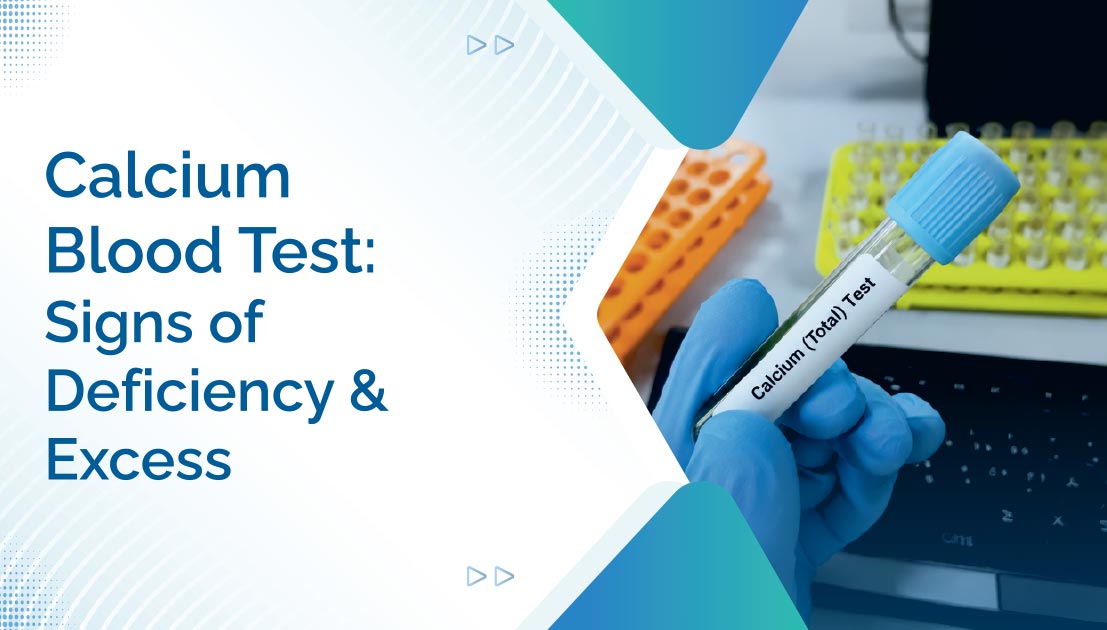


Calcium is one of the most important minerals in the human body. While most people associate calcium with strong bones and teeth, its role extends far beyond skeletal health. Calcium is essential for muscle movement, nerve signaling, heart rhythm, blood clotting, and the proper functioning of many organs. Since the body depends on balanced calcium levels for daily functions, even a slight imbalance can lead to noticeable health problems.
A calcium blood test is a simple diagnostic test that measures the amount of calcium circulating in your bloodstream. It helps doctors evaluate bone health, kidney function, parathyroid gland disorders, vitamin D status, and several other medical conditions. The test can also identify whether calcium levels are too low (hypocalcemia) or too high (hypercalcemia), allowing timely diagnosis and treatment before complications develop.
What Is a Calcium Blood Test?
A calcium blood test measures the amount of calcium present in your blood. Approximately 99% of the body's calcium is stored in bones and teeth, while the remaining 1% circulates in the blood and soft tissues. Although this small percentage may seem insignificant, it is essential for several life-sustaining functions.
The test is usually ordered during routine health evaluations or when symptoms suggest an imbalance in calcium levels.
There are two main types of calcium blood tests:
Total Calcium Test
This measures both free calcium and calcium attached to proteins such as albumin. It is the most prescribed calcium test.
Ionized Calcium Test
This measures only the free, biologically active calcium available for body functions. It provides a more accurate picture in certain medical conditions, particularly when protein levels are abnormal.
Why Is a Calcium Blood Test Important?
Maintaining the right calcium balance is crucial because calcium affects multiple body systems simultaneously. Abnormal calcium levels may indicate underlying health conditions that require medical attention.
Doctors recommend this test to:
The calcium blood test often forms part of a comprehensive metabolic panel during routine health check-ups.
Functions of Calcium in the Body
Calcium performs several essential functions beyond maintaining healthy bones.
Bone Formation
Bones continuously undergo remodeling, where old bone tissue is replaced with new tissue. Calcium provides the structural strength necessary for healthy bones.
Muscle Contraction
Every muscle contraction, including the heartbeat, depends on calcium.
Nerve Communication
Calcium enables nerves to transmit signals efficiently between the brain and different parts of the body.
Blood Clotting
Calcium participates in the clotting process, helping prevent excessive bleeding after injury.
Hormone Release
Several hormones rely on calcium to be released properly into the bloodstream.
Heart Function
The heart requires balanced calcium levels to maintain a regular heartbeat and effective pumping action.
When Is a Calcium Blood Test Recommended?
Doctors may advise a calcium blood test if you experience symptoms suggesting abnormal calcium levels or have conditions affecting calcium metabolism.
Common situations include:
The test is also commonly ordered before certain surgeries and during regular health screenings.
Signs of Calcium Deficiency (Hypocalcemia)
Hypocalcemia occurs when calcium levels fall below the normal range. Symptoms may appear gradually or suddenly depending on the severity.
Muscle Cramps and Spasms
One of the earliest signs of calcium deficiency is muscle cramping, particularly in the legs, hands, and feet.
Tingling and Numbness
Low calcium often causes tingling sensations around the mouth, fingers, and toes.
Fatigue
Insufficient calcium can contribute to persistent tiredness, reduced stamina, and weakness.
Brittle Nails
Weak or brittle nails may develop due to prolonged calcium deficiency.
Dry Skin
Calcium supports healthy skin function, and low levels may lead to dryness and irritation.
Dental Problems
Calcium deficiency may weaken teeth, increasing the risk of cavities and gum issues.
Memory Difficulties
Some individuals experience confusion, poor concentration, or memory problems.
Anxiety and Mood Changes
Calcium influences nerve function, making mood disturbances more common during deficiency.
Muscle Twitching
Involuntary muscle movements or facial twitching may occur when calcium levels become significantly low.
Seizures
Severe hypocalcemia can affect the nervous system and may result in seizures if untreated.
Causes of Calcium Deficiency
Several medical conditions and lifestyle factors can reduce calcium levels.
Common causes include:
Identifying the underlying cause is essential for appropriate treatment.
Signs of Excess Calcium (Hypercalcemia)
Hypercalcemia occurs when calcium levels rise above the normal range. Mild cases may produce no symptoms, while severe cases require immediate medical care.
Excessive Thirst
High calcium causes dehydration, leading to increased thirst.
Frequent Urination
The kidneys attempt to eliminate excess calcium, increasing urine production.
Constipation
Digestive function often slows when calcium levels become elevated.
Nausea and Vomiting
Some individuals develop gastrointestinal discomfort and reduced appetite.
Abdominal Pain
High calcium can contribute to stomach pain and digestive disturbances.
Muscle Weakness
Elevated calcium may reduce muscle strength and endurance.
Fatigue
People with hypercalcemia often experience persistent tiredness despite adequate rest.
Confusion
Higher calcium levels may interfere with brain function, causing confusion or difficulty concentrating.
Kidney Stones
Excess calcium increases the likelihood of calcium-based kidney stones.
Irregular Heartbeat
Very high calcium levels can interfere with the heart's electrical activity and may require urgent medical evaluation.
Causes of High Calcium Levels
Several health conditions can cause elevated calcium levels.
These include:
A calcium blood test helps identify whether additional investigations are necessary.
How Is the Calcium Blood Test Performed?
The procedure is quick and straightforward.
A healthcare professional:
1. Cleans the skin over a vein, usually in the arm.
2. Inserts a sterile needle into the vein.
3. Collects a small blood sample.
4. Removes the needle and applies gentle pressure.
The entire process usually takes less than five minutes.
Most people can return to normal activities immediately after the test.
Do You Need to Fast Before the Test?
In many cases, fasting is not required.
However, if the calcium test is being performed alongside other blood tests, such as a lipid profile or comprehensive metabolic panel, your healthcare provider may advise fasting for several hours.
Always follow the instructions provided by your doctor or laboratory.
Understanding Calcium Blood Test Results
Normal calcium values may differ slightly between laboratories.
Generally:
Doctors interpret results alongside:
A single abnormal value does not always indicate disease, and further testing may be recommended.
Additional Tests That May Be Ordered
If calcium levels are abnormal, your doctor may request:
These investigations help determine the underlying cause of the calcium imbalance.
Who Should Consider Regular Calcium Testing?
Routine calcium testing may benefit individuals with:
Regular monitoring allows early identification of changing calcium levels.
Maintaining Healthy Calcium Levels
Healthy calcium balance depends on diet, vitamin D, physical activity, and overall health.
Eat Calcium-Rich Foods
Good dietary sources include:
Maintain Adequate Vitamin D
Vitamin D helps the body absorb calcium efficiently. Safe sunlight exposure, dietary sources, or supplements may help maintain healthy levels when recommended by a healthcare provider.
Stay Physically Active
Weight-bearing exercises support bone strength and calcium utilization.
Avoid Excess Supplements
Taking large amounts of calcium supplements without medical advice can contribute to high calcium levels and increase the risk of kidney stones.
Stay Hydrated
Adequate water intake supports kidney function and helps regulate calcium balance.
Follow Medical Advice
Individuals with kidney disease, parathyroid disorders, or osteoporosis should follow their healthcare provider's recommendations regarding calcium intake and monitoring.
Can Calcium Levels Change with Age?
Yes. Calcium metabolism changes throughout life.
Children and adolescents require adequate calcium for growth and bone development.
Adults need sufficient calcium to maintain bone density and support muscle and nerve function.
Older adults may experience reduced calcium absorption, lower vitamin D levels, and age-related bone loss, making regular monitoring more important in certain situations.
When Should You See a Doctor?
Medical evaluation is recommended if you experience:
Early testing can identify calcium imbalances before complications become severe.
Conclusion
A calcium blood test is a valuable diagnostic tool that provides important information about bone health, kidney function, hormone balance, and overall metabolic health. Since calcium plays a vital role in muscle contraction, nerve function, heart rhythm, and blood clotting, maintaining appropriate levels is essential for overall well-being.
Both calcium deficiency and excess can produce symptoms ranging from mild fatigue and muscle cramps to kidney stones, heart rhythm disturbances, and neurological complications. Identifying these imbalances through a simple blood test allows healthcare providers to determine the underlying cause and recommend appropriate treatment.

Food-related reactions are often lumped together under a single umbrella, but food...
17-09-2026
For decades, cholesterol testing has been the cornerstone of cardiovascular risk...
17-09-2026
Chronic fatigue syndrome (chronic fatigue syndrome), also known as myalgic encephalomyelitis...
17-09-2026
Book lab tests, access reports instantly, and get seamless home sample collection with advanced technology.
Trusted by millions, Ampath Labs ensures accurate diagnostics, convenience, and care at your fingertips.




 Select Location



 Get 15% OFF on 1st order above ₹100 Use code:



































































.jpg)