








Blood Culture Test: Detecting Serious Infections
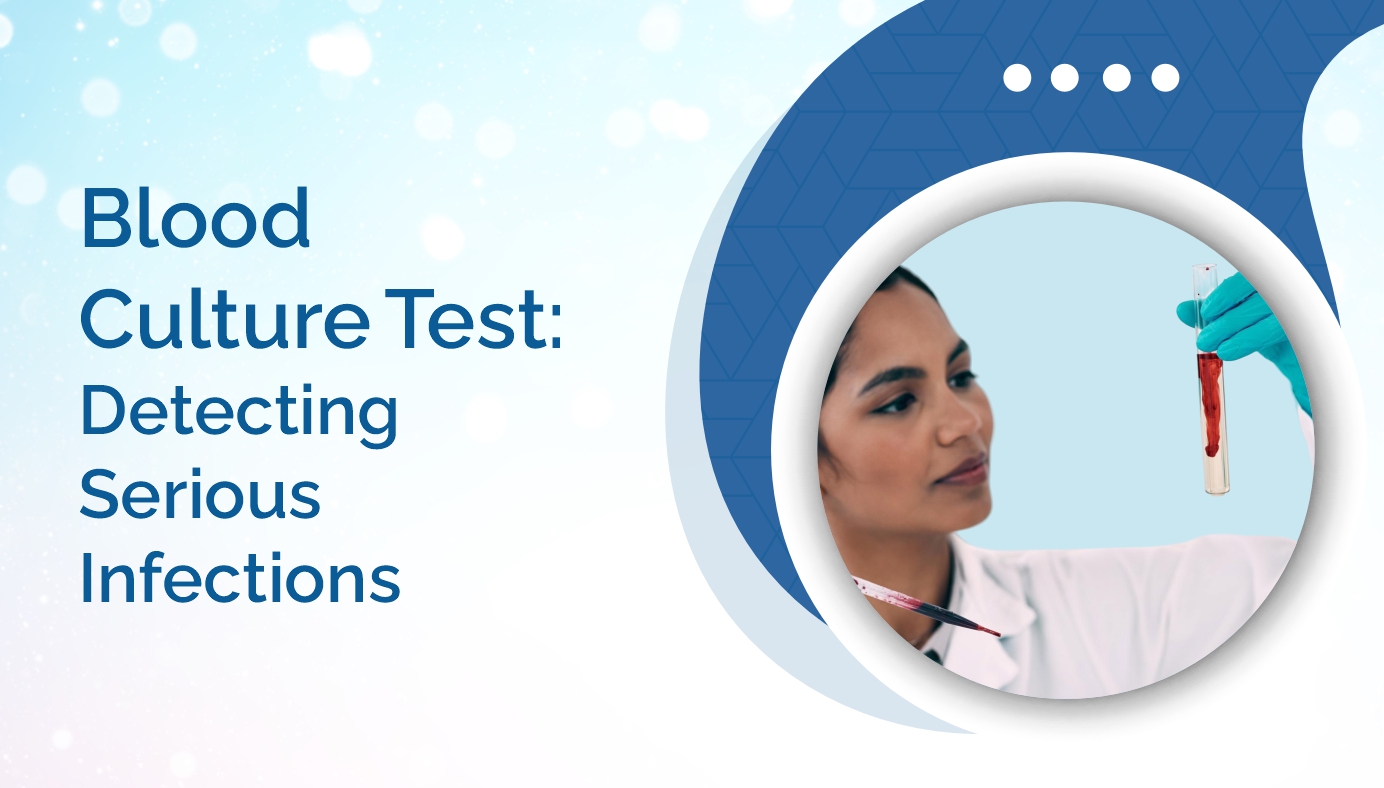


Getting blood drawn is a routine part of many medical checkups. Usually, doctors use these samples to check cholesterol levels or kidney function. However, sometimes a doctor needs to look for something more specific and potentially more dangerous: bacteria or fungi in the blood. This is where a blood culture test comes in.
Finding out you need a blood culture test can be worrying, but understanding the procedure can help ease your mind. This test is a critical diagnostic tool used to detect infections that have spread into the bloodstream—a condition that can become serious if left untreated. By identifying the specific germs causing the problem, doctors can prescribe the most effective treatment to get you back to health.
What Is a Blood Culture Test?
A blood culture test checks for foreign invaders like bacteria, yeast, and other microorganisms in your blood. Having these pathogens in your bloodstream can be a sign of a systemic infection, known as bacteremia. If this infection triggers a severe immune response, it can lead to sepsis, a life-threatening medical emergency.
Under normal circumstances, your blood is sterile. It should not contain any bacteria or fungi. When these microorganisms enter the bloodstream, they can travel to different parts of the body, potentially infecting organs and tissues. A blood culture helps doctors catch these invaders early.
How the Test Works
The process is similar to a standard blood draw but requires extra care to prevent contamination. A healthcare provider will clean your skin thoroughly before drawing blood, usually from two different veins in your arms.
These samples are then placed in special bottles containing a broth that encourages bacteria or fungi to grow. The bottles go into an incubator in a laboratory. If germs are present in the sample, they will multiply over the next few days, allowing lab technicians to identify exactly what is causing the infection.
Why Is This Test Performed?
Doctors typically order a blood culture when a patient shows signs of a systemic infection. Because infections in the bloodstream can escalate quickly, timely testing is essential.
Your healthcare provider might recommend this test if you are experiencing symptoms such as:
- High fever or chills
- Rapid breathing or heart rate
- Excessive fatigue
- Confusion
- Nausea or vomiting
This test is particularly important for patients who have recently had surgery, possess a prosthetic heart valve, or are immunocompromised, as they are at a higher risk of developing systemic infections. It helps the medical team differentiate between a localized infection (like a wound that hasn't healed) and one that has spread throughout the body.
The Risks of Sepsis
One of the primary reasons for ordering a blood culture is to rule out or confirm sepsis. Sepsis happens when the body’s response to an infection damages its own tissues. It is a medical emergency that requires immediate treatment.
Symptoms of sepsis can include:
- Low blood pressure (hypotension)
- Fever
- Difficulty breathing
- Mental confusion
Without prompt treatment, sepsis can progress to septic shock, leading to organ failure and death. A blood culture is often the first step in diagnosing the underlying infection causing sepsis, allowing doctors to administer the correct antibiotics or antifungal medications swiftly.
Understanding Your Results
Once the lab has processed your samples, your doctor will review the findings with you. Results are generally categorized as "positive" or "negative."
Positive Result
A positive result means bacteria or fungi were found in your blood culture. This usually indicates a blood infection. The lab will then perform "susceptibility testing" to see which medications will kill the specific germ found. This helps your doctor choose the most effective antibiotic or antifungal treatment for you.
Negative Result
A negative result means no microorganisms grew in the sample. This typically indicates you do not have a blood infection caused by bacteria or fungi. However, if symptoms persist, your doctor may need to run further tests to find the cause of your illness, as some viruses or hard-to-grow bacteria might not show up in a standard culture.
Contamination ("False Positive")
Sometimes, skin bacteria can accidentally get into the blood sample during the draw. If the results show a type of bacteria that commonly lives on the skin but rarely causes blood infections, the doctor might consider it a contaminant rather than a true infection. In these cases, the test may need to be repeated.
Next Steps After Diagnosis
If your test comes back positive, treatment usually begins immediately. This often involves intravenous (IV) antibiotics or antifungals in a hospital setting. The specific medication depends on the type of organism identified in the culture.
For serious infections like endocarditis (inflammation of the heart lining) or osteomyelitis (bone infection), treatment may need to continue for several weeks. Your medical team will monitor your progress closely to ensure the infection is clearing up.
If the test is negative but you are still feeling unwell, your doctor will likely investigate other potential causes, such as viral infections or non-infectious conditions.
Conclusion
A blood culture test is a powerful tool in modern medicine, helping doctors pinpoint serious infections that might otherwise go undetected. While the idea of a blood infection is scary, this test is the first step toward recovery. It replaces guesswork with data, ensuring you receive the precise treatment your body needs.
If you have symptoms like unexplained fever, chills, or confusion, seek medical attention right away. Early detection is your best defense against serious complications like sepsis.
WANT TO BOOK HEALTH CHECKUP ?
Recent Blogs
Blood Culture Test: Detecting Serious Infections
Getting blood drawn is a routine part of many medical checkups. Usually,...
29-12-2025


Pregnancy Hormone Test: Understanding hCG Levels
Seeing those two pink lines or a flashing "Pregnant" on a digital display is a life-changing...
29-12-2025
Electrolyte Panel: Understanding Sodium, Potassium & Calcium Levels
An electrolyte panel is a common blood test that measures the levels of essential minerals...
29-12-2025
