
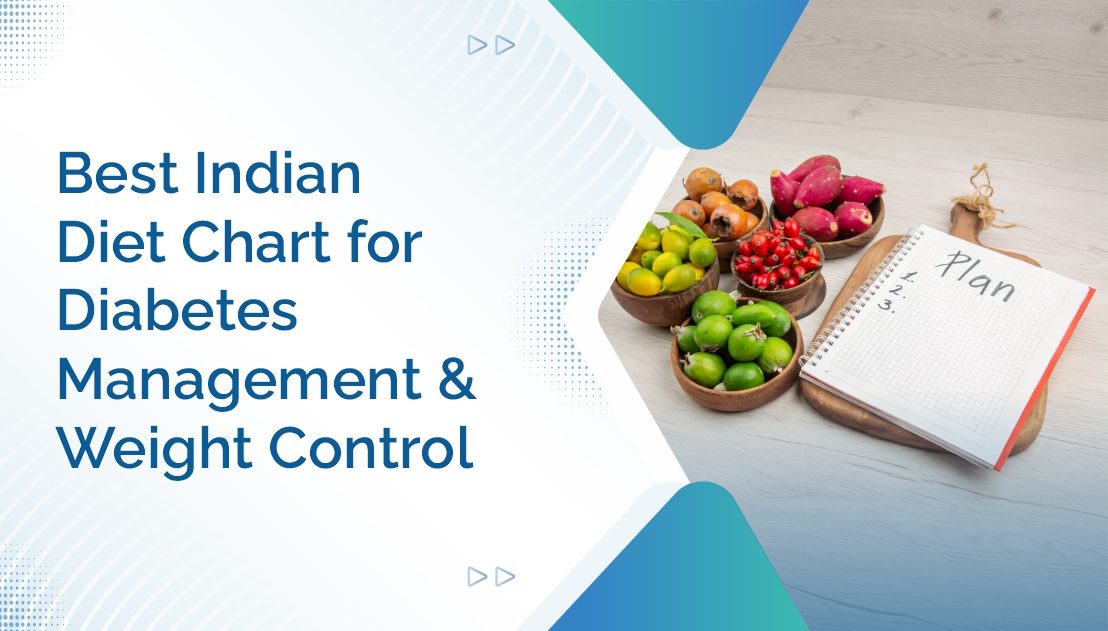


Managing diabetes while maintaining a healthy weight requires a strategic and disciplined approach to nutrition. For individuals accustomed to a traditional Indian diet, balancing carbohydrate intake with adequate fiber and protein is essential for optimal blood sugar regulation. Because Indian cuisine relies heavily on grains and starchy vegetables, making targeted dietary adjustments can significantly impact overall health outcomes.
A well-planned Indian diet chart provides a structured method to achieve these medical and lifestyle goals efficiently. By understanding the nutritional value of regional foods, patients can enjoy flavorful meals without compromising their glucose levels. Proper meal planning minimizes unexpected blood sugar spikes and promotes steady, sustainable weight loss.
Key Principles of a Diabetic Indian Diet
Creating an effective diet plan requires a foundational understanding of how different foods interact with the body. Implementing the following nutritional strategies will support both diabetes management and weight reduction.
The Glycemic Index (GI)
The Glycemic Index measures how quickly carbohydrates in food raise blood sugar levels. Foods with a low GI digest slowly, providing a steady release of glucose into the bloodstream. An ideal diabetic diet prioritizes low-GI foods, such as whole grains, legumes, and non-starchy vegetables, to maintain stable energy levels throughout the day.
Balanced Macronutrients
A medically sound diet must include a precise balance of carbohydrates, proteins, and healthy fats. Protein is particularly vital for weight control, as it increases satiety and preserves lean muscle mass. Incorporating plant-based proteins like lentils (dal), chickpeas (chana), and paneer, alongside lean meats for non-vegetarians, ensures a comprehensive nutritional profile.
Strict Portion Control
Even healthy foods can cause weight gain and elevated blood sugar if consumed in excessive amounts. Measuring food intake and using smaller plates are practical techniques to regulate portion sizes. A standard balanced plate should consist of 50% non-starchy vegetables, 25% lean protein, and 25% complex carbohydrates.
Sample Indian Diet Chart for Diabetes Management
This structured meal plan offers a balanced distribution of nutrients. It is designed to stabilize blood sugar levels while promoting weight loss through controlled calorie intake.
Early Morning (6:00 AM - 7:00 AM)
Starting the day with hydration and metabolism-boosting ingredients sets a positive tone for glucose management.
Breakfast (8:00 AM - 9:00 AM)
Breakfast should be robust, featuring complex carbohydrates and high-quality protein to prevent mid-morning energy crashes.
Mid-Morning Snack (11:00 AM)
A light snack bridges the gap between breakfast and lunch, preventing overeating later in the day.
Lunch (1:00 PM - 2:00 PM)
Lunch requires a careful balance of whole grains, protein, and dietary fiber.
Evening Snack (4:00 PM - 5:00 PM)
Evening hunger can lead to poor dietary choices. Keep this meal high in protein and low in simple carbohydrates.
Dinner (7:30 PM - 8:30 PM)
Dinner should be the lightest meal of the day, consumed at least two hours before bedtime to ensure proper digestion and fasting glucose levels.
Essential Foods to Include and Avoid
To maintain strict control over your health metrics, specific dietary guidelines must be followed consistently.
Recommended Foods
Foods to Strictly Avoid
Conclusion
Achieving optimal diabetes management and weight control is a continuous process that relies heavily on accurate nutritional choices. Adhering to a carefully constructed Indian diet chart enables you to regulate blood glucose effectively, shed excess weight, and significantly improve your quality of life.
Consistent monitoring of your dietary habits, paired with regular medical diagnostics, forms the cornerstone of proactive healthcare. Consult with a certified healthcare provider or nutritionist to tailor these dietary guidelines to your specific metabolic requirements, ensuring your path to wellness is both safe and scientifically sound.
Food-related reactions are often lumped together under a single umbrella, but food...
17-09-2026

For decades, cholesterol testing has been the cornerstone of cardiovascular risk...
17-09-2026

Chronic fatigue syndrome (chronic fatigue syndrome), also known as myalgic encephalomyelitis...
17-09-2026
Book lab tests, access reports instantly, and get seamless home sample collection with advanced technology.
Trusted by millions, Ampath Labs ensures accurate diagnostics, convenience, and care at your fingertips.




 Select Location



 Get 15% OFF on 1st order above ₹100 Use code:

































































.jpg)