


High cholesterol is one of the leading risk factors for heart disease and stroke. Often called a "silent condition," high cholesterol usually does not cause noticeable symptoms until it leads to serious health complications. Millions of people have elevated cholesterol levels without realizing it, making regular health checkups and blood tests essential.
The good news is that cholesterol levels can often be improved naturally through healthy lifestyle changes. By making simple adjustments to your diet, exercise routine, and daily habits, you can lower bad cholesterol and support long-term cardiovascular health.
Understanding Cholesterol
Cholesterol is a waxy, fat-like substance found in every cell of the body. It plays an important role in producing hormones, vitamin D, and substances that help digest food. While cholesterol is necessary for normal bodily functions, having too much of it in the bloodstream can be harmful.
There are two main types of cholesterol:
LDL (Low-Density Lipoprotein) Cholesterol
LDL is often called "bad cholesterol" because it can build up inside the arteries, forming plaque deposits. Over time, this buildup narrows the arteries and increases the risk of heart attacks and strokes.
HDL (High-Density Lipoprotein) Cholesterol
HDL is known as "good cholesterol" because it helps remove excess cholesterol from the bloodstream and transports it back to the liver for disposal.
Triglycerides
Triglycerides are another type of fat found in the blood. High triglyceride levels combined with high LDL cholesterol significantly increase the risk of cardiovascular disease.
Why High Cholesterol Is Dangerous
When cholesterol accumulates in the arteries, it can lead to a condition known as atherosclerosis. This causes the arteries to become narrow and less flexible, reducing blood flow to vital organs.
High cholesterol increases the risk of:
Because high cholesterol often develops without symptoms, many people only discover it during routine blood tests or after experiencing a cardiovascular event.
1. Increase Soluble Fiber Intake
One of the most effective natural ways to lower cholesterol is to consume more soluble fiber.
Soluble fiber binds to cholesterol particles in the digestive system and helps remove them from the body before they enter the bloodstream.
Foods rich in soluble fiber include:
Starting your day with a bowl of oatmeal can significantly contribute to lowering LDL cholesterol over time.
Experts recommend consuming at least 25–30 grams of dietary fiber daily for optimal heart health.
2. Eat More Heart-Healthy Fats
Not all fats are harmful. Replacing unhealthy saturated and trans fats with healthy unsaturated fats can improve cholesterol levels.
Healthy fats are found in:
These foods help reduce LDL cholesterol while supporting HDL cholesterol levels.
Extra virgin olive oil, in particular, contains antioxidants that protect blood vessels and reduce inflammation.
3. Include Omega-3 Rich Foods
Omega-3 fatty acids are essential fats that support heart health and reduce cardiovascular risk.
Although omega-3s do not directly lower LDL cholesterol, they help by:
Excellent sources include:
Aim to eat fatty fish at least twice a week for maximum cardiovascular benefits.
4. Reduce Saturated Fat Consumption
Saturated fats can increase LDL cholesterol levels when consumed in excess.
Common sources include:
Instead of eliminating fat entirely, focus on choosing healthier alternatives.
For example:
Even modest reductions in saturated fat intake can have a positive effect on cholesterol levels.
5. Avoid Trans Fats Completely
Trans fats are among the most harmful dietary fats for heart health.
They:
Trans fats are often found in:
Always check food labels for "partially hydrogenated oils," which indicate the presence of trans fats.
Avoiding trans fats can significantly reduce cardiovascular risk and improve cholesterol profiles.
6. Exercise Regularly
Physical activity is one of the most powerful natural tools for improving cholesterol levels.
Regular exercise helps:
Recommended activities include:
Health experts recommend at least 150 minutes of moderate-intensity exercise per week.
Even a 30-minute walk five days a week can make a noticeable difference in heart health.
7. Maintain a Healthy Weight
Excess body weight is strongly associated with higher cholesterol levels and increased cardiovascular risk.
Carrying extra weight can:
The good news is that even a modest weight loss of 5–10% of body weight can improve cholesterol levels significantly.
Healthy weight loss can be achieved through:
Sustainable lifestyle changes are far more effective than crash diets.
8. Quit Smoking
Smoking negatively affects cholesterol and damages blood vessels.
It can:
When a person stops smoking, the body begins to repair itself almost immediately.
Benefits of quitting include:
Regardless of age, quitting smoking is one of the best decisions for heart health.
9. Limit Added Sugars and Refined Carbohydrates
Many people focus only on dietary fat when managing cholesterol, but excess sugar can also contribute to unhealthy cholesterol levels.
High sugar intake may:
Common sources include:
Instead, choose:
Reducing sugar intake not only improves cholesterol levels but also supports overall metabolic health.
10. Increase Plant Sterols and Stanols
Plant sterols and stanols are natural compounds found in plants that help block cholesterol absorption in the intestines.
Research has shown that consuming sufficient amounts of these compounds can significantly lower LDL cholesterol.
Sources include:
Some foods are also fortified with plant sterols, such as:
Adding these foods to your diet can complement other cholesterol-lowering lifestyle strategies.
Additional Lifestyle Habits for Better Cholesterol Control
Besides the major strategies listed above, consider adopting the following habits:
Manage Stress
Chronic stress may contribute to unhealthy eating habits and poor heart health.
Helpful stress-management techniques include:
Get Adequate Sleep
Poor sleep is associated with higher cholesterol levels and increased cardiovascular risk.
Aim for 7–9 hours of quality sleep each night.
Stay Hydrated
Proper hydration supports overall metabolism and cardiovascular function.
Choose water over sugary beverages whenever possible.
When to Get Your Cholesterol Checked
Since high cholesterol rarely causes symptoms, regular screening is important.
A lipid profile blood test measures:
Adults should have their cholesterol checked periodically, especially if they have risk factors such as:
Early detection allows timely lifestyle changes and medical intervention if necessary.
Can Natural Methods Replace Medication?
For many individuals with mildly elevated cholesterol, lifestyle modifications can lead to significant improvements.
However, people with:
may still require cholesterol-lowering medications alongside lifestyle changes.
It is important to follow your healthcare provider's recommendations and continue regular monitoring.
Conclusion
Managing cholesterol naturally is one of the most effective ways to protect your heart and reduce the risk of serious cardiovascular diseases. Small but consistent lifestyle changes can have a powerful impact on cholesterol levels and overall well-being.
Increasing fiber intake, choosing healthy fats, exercising regularly, maintaining a healthy weight, avoiding smoking, reducing sugar consumption, and eating more plant-based foods are all scientifically supported strategies for improving cholesterol levels naturally.
Food-related reactions are often lumped together under a single umbrella, but food...
17-09-2026
For decades, cholesterol testing has been the cornerstone of cardiovascular risk...
17-09-2026

Chronic fatigue syndrome (chronic fatigue syndrome), also known as myalgic encephalomyelitis...
17-09-2026
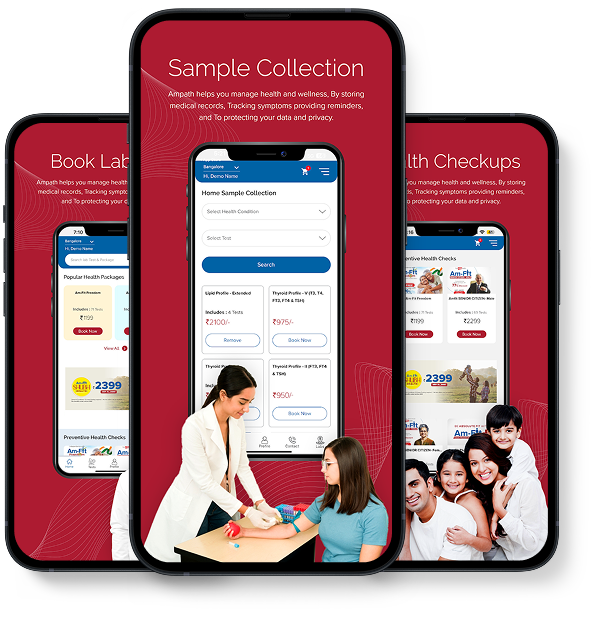
Book lab tests, access reports instantly, and get seamless home sample collection with advanced technology.
Trusted by millions, Ampath Labs ensures accurate diagnostics, convenience, and care at your fingertips.



 Select Location


 Get 15% OFF on 1st order above ₹100 Use code:



































































.jpg)