
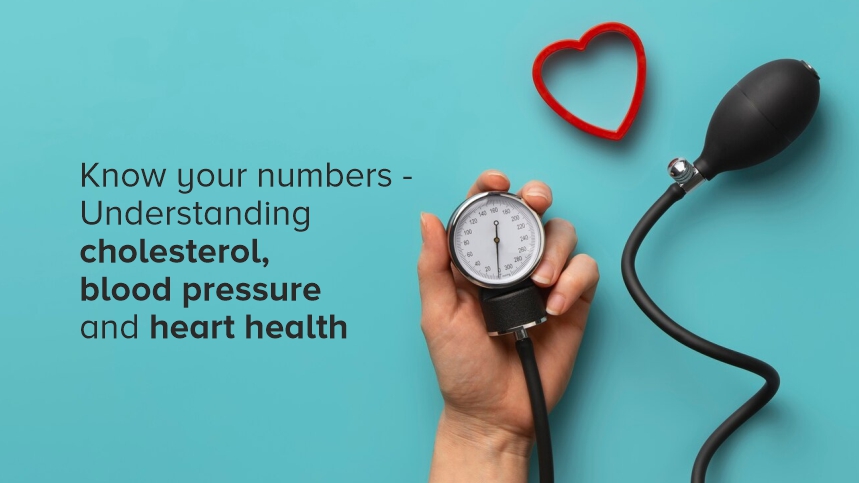


As individuals, it is essential that we prioritize our heart health. Cardiovascular diseases are the leading cause of death globally. Heart health is determined by various factors, of which cholesterol and blood pressure are two critical indicators. Our cholesterol levels and blood pressure numbers might seem like a dull subject, but knowing them could save our lives. In this blog, we will break down the basics of cholesterol, blood pressure, and their impact on our heart health.
Cholesterol - We often hear about the need to lower our cholesterol levels, but what exactly is cholesterol, and why is it a concern? Cholesterol is a waxy, fat-like substance that we need in our bodies, but when it becomes too much in our blood, it could lead to heart diseases. LDL (low-density lipoprotein) and HDL (high-density lipoprotein) are two types of cholesterol. LDL cholesterol is known as the "bad cholesterol" because it can lead to plaque buildup in our arteries, whereas HDL cholesterol is known as the "good cholesterol" that helps our body eliminate excess cholesterol. Simple lifestyle changes like healthy eating habits, exercising, and avoiding smoking could keep our cholesterol levels in check.
Blood Pressure - Blood pressure is the force of our blood pushing against our artery walls. High blood pressure, also known as hypertension, can increase the risk of developing heart diseases, stroke, and kidney disease. Blood pressure is usually taken with two numbers, systolic (top number) and diastolic (bottom number). The American Heart Association recommends keeping blood pressure below 120/80. Regular blood pressure check-ups can help with early detection and prevention of hypertension.
Heart Health - Our heart is an essential organ that pumps blood and oxygen to the rest of our bodies. It is crucial to prioritize our heart health by monitoring blood pressure and cholesterol levels. Uncontrolled high cholesterol and high blood pressure can lead to plaque build-up, reducing blood flow and oxygen to our hearts. This situation can result in heart diseases like heart attacks, strokes, and atherosclerosis. Simple lifestyle changes, such as regular exercise, eliminating smoking, and healthy eating habit, could help reverse the situation and reduce the risk of heart diseases.
Conclusion:
Maintaining our heart health doesn't have to be complicated. The first step is knowing our cholesterol and blood pressure numbers and making the necessary lifestyle changes. Simple lifestyle habits like exercising and healthy eating could go a long way in reducing the risk of heart diseases. Regular check-ups with our doctors could also help with early detection and prevention. Remember, knowing our numbers could save our lives!
Food-related reactions are often lumped together under a single umbrella, but food...
17-09-2026
For decades, cholesterol testing has been the cornerstone of cardiovascular risk...
17-09-2026

Chronic fatigue syndrome (chronic fatigue syndrome), also known as myalgic encephalomyelitis...
17-09-2026
Book lab tests, access reports instantly, and get seamless home sample collection with advanced technology.
Trusted by millions, Ampath Labs ensures accurate diagnostics, convenience, and care at your fingertips.




 Hyderabad



 Get 15% OFF on 1st order above ₹100 Use code:



































































.jpg)