
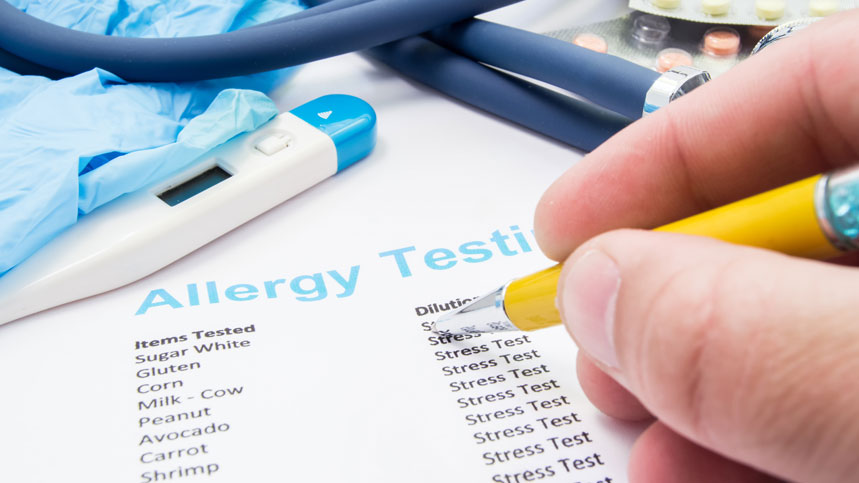


Do you suffer from allergies? If so, you're not alone. Allergies are a common condition affecting millions of people worldwide. They can cause a variety of uncomfortable symptoms, such as sneezing, itchy eyes, and a runny nose. However, allergies can also be life-threatening in severe cases. That's why identifying your allergy triggers is crucial to managing your symptoms and preventing potentially dangerous allergic reactions.
Types of Allergy Testing
There are several methods of allergy testing, including skin tests, blood tests, and elimination diets. Skin tests are the most common and involve exposing a small area of skin to different allergens and observing if a reaction occurs. Blood tests measure the amount of immunoglobulin E (IgE) in your bloodstream, which increases when there is an allergic reaction. An elimination diet involves removing certain foods from your diet and gradually reintroducing them to see if there is a reaction. Your doctor can help you determine which allergy test is best for you based on your symptoms and medical history.
Identifying Allergy Triggers
Once you have been tested for allergies, you can identify your allergy triggers, which are the substances that cause an allergic reaction. Common allergens include pollen, dust mites, pet dander, and certain foods. Knowing your allergy triggers allows you to avoid them or take preventive measures, such as taking allergy medication, to manage your symptoms.
Preventing Allergic Reactions
Preventing allergic reactions is critical, especially for individuals with severe allergies, such as those to peanuts or bee stings. Avoiding allergy triggers is the most effective way to prevent allergic reactions. If you have food allergies, reading food labels and making sure to inform servers when dining out can help prevent accidental exposure. Keeping emergency medications, such as epinephrine autoinjectors, on hand can also help prevent severe allergic reactions.
Managing Allergic Reactions
Despite your best efforts to prevent allergic reactions, they may still occur. Smart management of allergy symptoms is key. Over-the-counter antihistamines and nasal sprays can help alleviate mild allergic reactions, such as pollen or pet allergies. For severe allergic reactions, such as those that cause anaphylaxis, prompt medical attention is essential. Rapid administration of epinephrine can help reverse the symptoms of anaphylaxis and save a life.
Conclusion
Allergy testing can help identify your allergy triggers and provide a roadmap for effective management of your allergy symptoms. Knowing what you're allergic to is crucial to preventing severe allergic reactions and keeping you safe. If you suspect you have allergies or have been living with unexplained symptoms, don't hesitate to speak with your doctor about allergy testing. By identifying and managing your allergy triggers, you can live a healthier and more comfortable life.
Food-related reactions are often lumped together under a single umbrella, but food...
17-09-2026

For decades, cholesterol testing has been the cornerstone of cardiovascular risk...
17-09-2026
Chronic fatigue syndrome (chronic fatigue syndrome), also known as myalgic encephalomyelitis...
17-09-2026
Book lab tests, access reports instantly, and get seamless home sample collection with advanced technology.
Trusted by millions, Ampath Labs ensures accurate diagnostics, convenience, and care at your fingertips.




 Hyderabad



 Get 15% OFF on 1st order above ₹100 Use code:



































































.jpg)